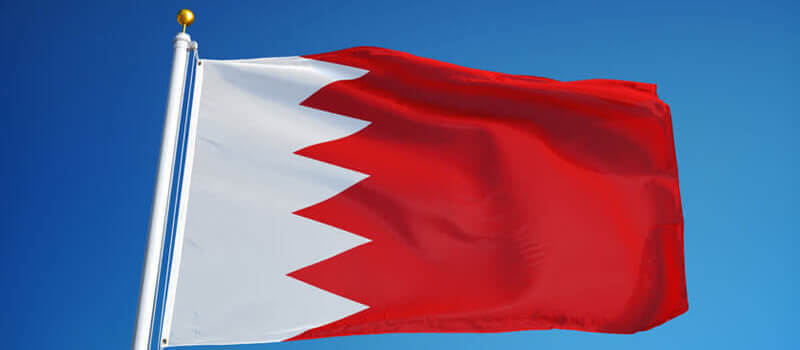
Bahrain, the “Pearl of the Gulf,” may be one of the smallest countries in the Middle East, but it packs a powerful punch when it comes to history, culture, and modern attractions. Sitting on an archipelago of 33 islands in the Arabian Gulf, Bahrain is a fascinating mix of ancient heritage and cutting-edge development. It is a country where bustling souks meet gleaming skyscrapers, where forts whisper tales of centuries past, and where locals warmly welcome you with genuine Arabian hospitality.
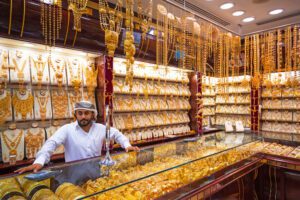
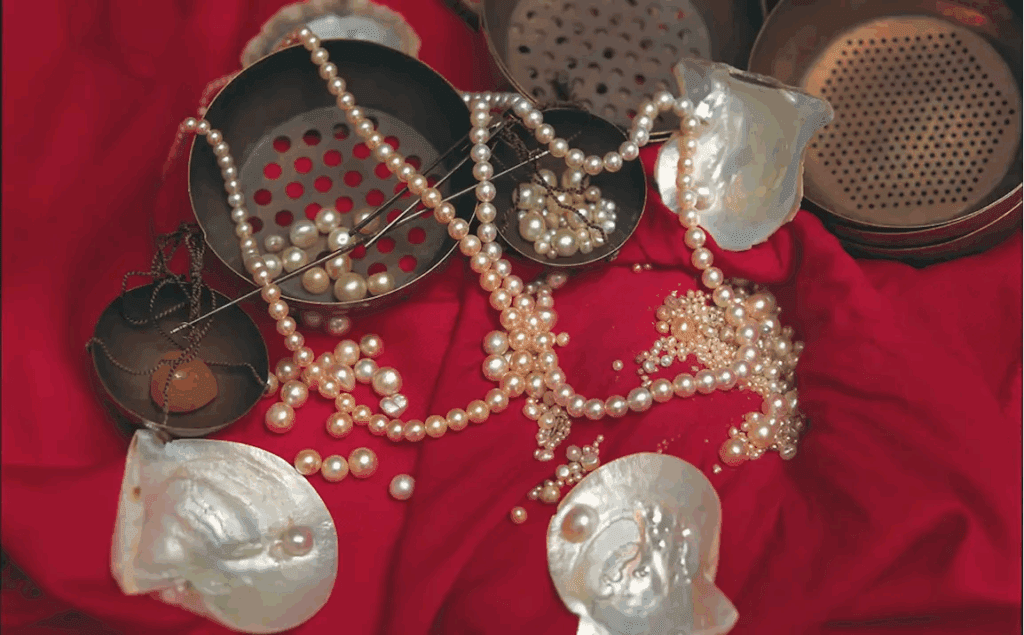
Bahrain is famous for its historical gold market, originating from its rich pearl industry, and for its modern banking sector, particularly Islamic banking, which was one of the first of its kind in the region and has helped diversify the economy beyond oil.
On my visit, I was immediately struck by Bahrain’s unique identity. Unlike its larger Gulf neighbours, Bahrain feels intimate and approachable. It has preserved its traditional character while opening itself to modernity in a balanced way. From exploring ancient ruins to strolling through modern shopping malls, I found myself moving effortlessly between the past and present, all within a country small enough to explore in just a few days yet rich enough to leave you with lifelong memories.
Table of Contents
Manama – The Heartbeat of Bahrain
My journey began in Manama, the capital and largest city of Bahrain. This is where old and new Bahrain meet. On one side, you find modern towers, financial centres, and luxury hotels. On the other, traditional souks, mosques, and cultural landmarks remind you of the country’s deep roots.
The Manama Souq was my first stop. Stepping into its narrow alleys felt like travelling back in time. The air was filled with the aroma of spices, the glow of gold jewellery, and the calls of shopkeepers offering fabrics, perfumes, and souvenirs. I took my time to browse and chat with vendors who proudly told stories of their family businesses, some of which had operated for generations. Shopping here is not only about buying—it’s about experiencing Bahrain’s everyday life.
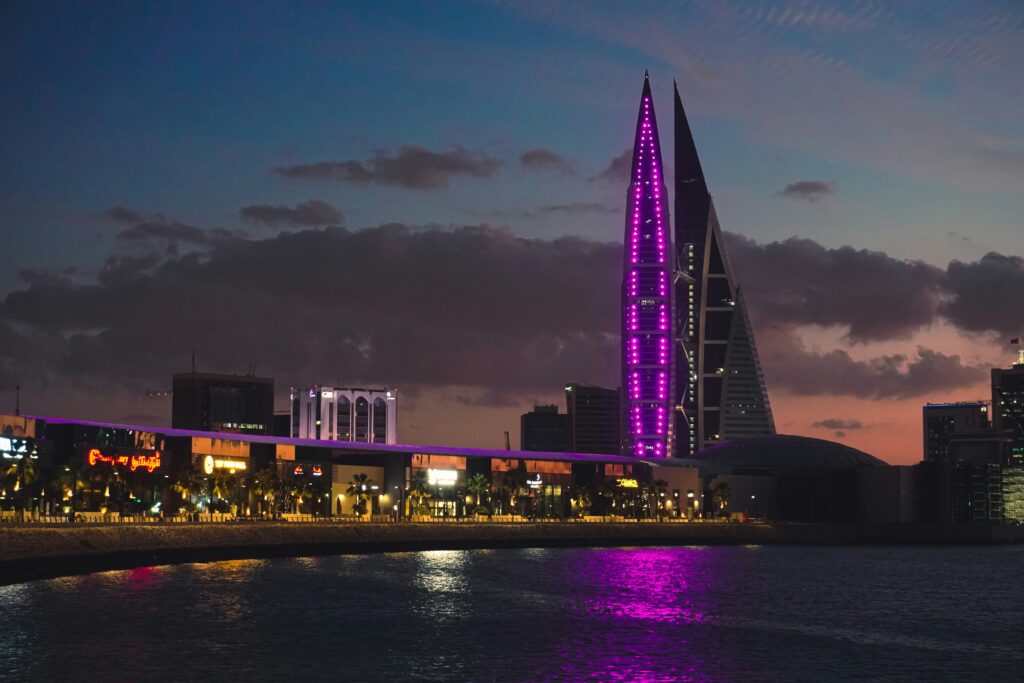
In contrast, City Centre Bahrain, one of the country’s biggest malls, offered a glimpse into its cosmopolitan side. Here, I found high-end international brands, fine dining options, and entertainment, including a cinema and family-friendly activities. For me, visiting both the souq and the mall symbolized Bahrain’s balance between tradition and modernity.
Historical and Cultural Treasures
Bahrain’s history stretches back thousands of years, and nowhere is this more evident than at Qal’at al-Bahrain (Bahrain Fort), a UNESCO World Heritage site. This impressive fort, overlooking the sea, has been the centre of ancient civilizations, including the Dilmun civilization, which once made Bahrain a hub of trade and culture. As I walked through its ancient walls and corridors, I could almost hear echoes of merchants, soldiers, and families who lived here centuries ago. The views of the Gulf from the fort are stunning and make it easy to see why this site was so strategically important.
The Al Fateh Grand Mosque was another unforgettable experience. One of the largest mosques in the world, it can accommodate over 7,000 worshippers. Its architecture is a blend of simplicity and grandeur, with a massive fiberglass dome and intricate marble floors. Visiting this mosque gave me a sense of peace and reflection, as well as insight into the spiritual heart of Bahraini society. Non-Muslim visitors are welcome, provided they dress modestly, and guided tours are often available to explain Islamic traditions.
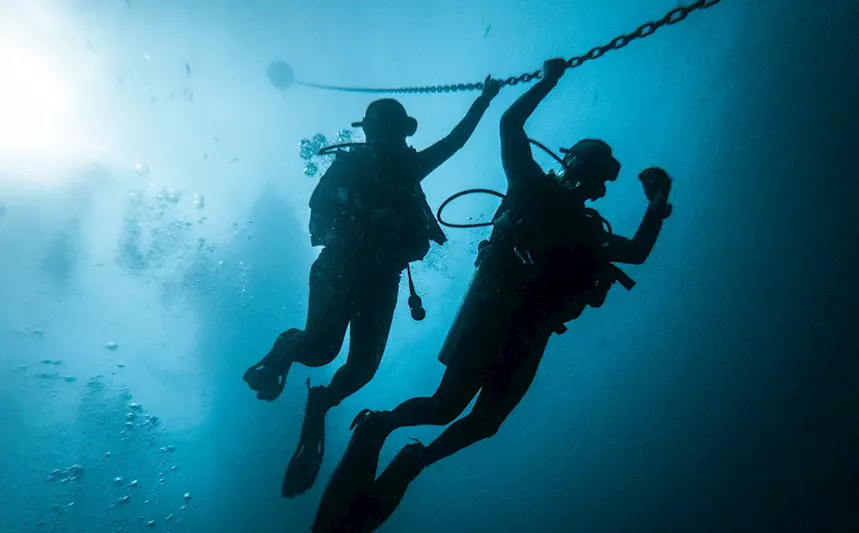
In Muharraq, the former capital of Bahrain, I explored narrow streets filled with restored traditional houses and cultural landmarks. The Pearling Path, another UNESCO site, tells the story of Bahrain’s pearl diving heritage, which once formed the backbone of its economy.
The Bahrain National Museum is Bahrain’s most famous museum, offering a comprehensive look at the nation’s history from the Dilmun era to modern times, with highlights including artifacts from Burial Mounds and the pearling industry, as well as recreations of traditional life
Beit Al Quran, a museum dedicated to Islamic manuscripts, impressed me with its rare collections, some dating back centuries.
Bridges, Islands, and Scenic Spots
One of Bahrain’s most iconic landmarks is the King Fahd Causeway, a 25-kilometer bridge linking Bahrain with Saudi Arabia. Driving along it, I enjoyed breathtaking views of the turquoise waters of the Gulf. It also symbolized Bahrain’s role as a connector in the region—an island nation bridging cultures, trade, and people.
Beyond Manama, Bahrain’s islands offer beauty and tranquillity. Amwaj Islands, a man-made development, is popular for its marinas, cafes, and residential areas. It felt modern and relaxed, perfect for an evening walk by the water. The beaches around Bahrain, while not as famous as some in neighbouring countries, still provide quiet spots for relaxation and water activities.
Unique and Fun Experiences
Bahrain is not only about history and culture—it also offers fun, quirky experiences. One of my favourites was the Royal Camel Farm, home to hundreds of camels. Walking among them, I learned about the important role camels have played in Bahraini and Arabian culture for centuries.
Another family-friendly stop was the Marassi Aquarium and Underwater Zoo, which showcases marine life from the Gulf and beyond. It was both educational and entertaining, especially for children.
For shopping and culture combined, Souq Bab Al Bahrain is a must-visit. Located at the entrance to the Manama Souq, this iconic landmark is a hub for traditional Bahraini handicrafts, pearl jewellery, and local food. Sitting at a café here, sipping Arabic coffee while watching the lively street scenes, was one of my favourite moments.
Bahrain’s Culture and Festivals
One of the best ways to understand a country is through its festivals and traditions. Bahrain celebrates several cultural and religious events throughout the year:
- Ramadan: A sacred month for Muslims, when families gather for evening meals (iftar). Visitors can experience the festive atmosphere through special Ramadan tents and traditional food.
- Bahrain International Music Festival: Held annually, this event brings musicians from around the world and showcases local talent.
- Bahrain Grand Prix (Formula 1): This is Bahrain’s biggest international event, attracting racing fans from all over the world. The excitement at the Bahrain International Circuit is electrifying.
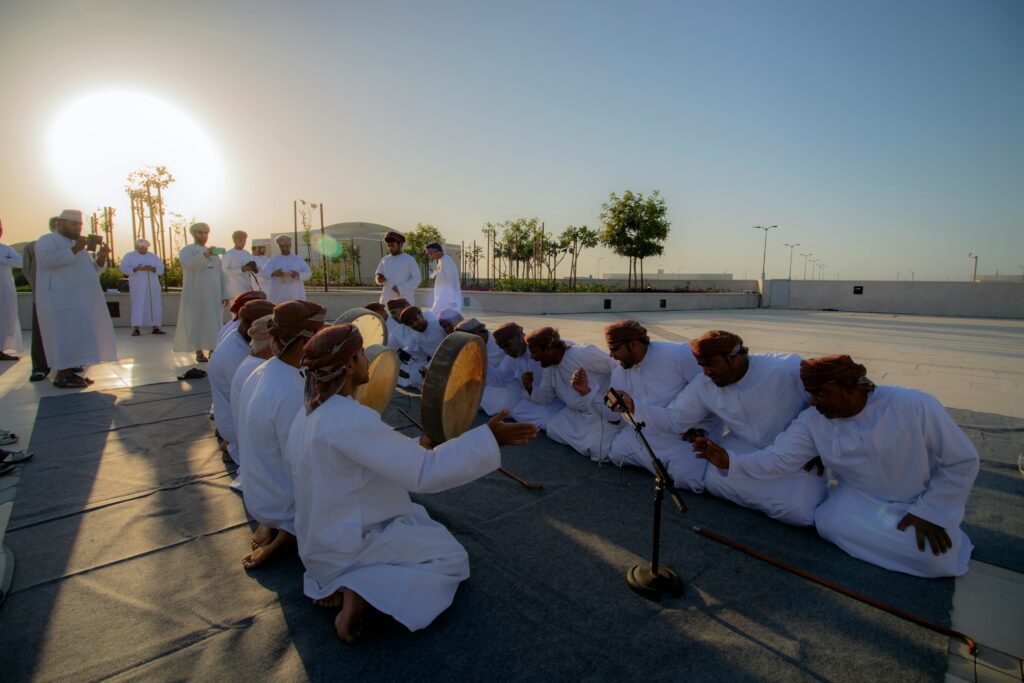
- Heritage Festival: A celebration of Bahraini crafts, traditions, and cuisine, usually held in spring.
If you plan your trip during one of these events, you’ll experience Bahrain at its liveliest.
Food and Flavours of Bahrain
Bahraini cuisine is a delicious blend of Arabian, Persian, and Indian influences. Some dishes I recommend trying include:
- Machboos: A spiced rice dish, often with chicken, lamb, or fish.
- Muhammar: Sweet rice with dates, usually served with fish.
- Gahwa: Traditional Arabic coffee, flavored with cardamom, often served with dates.
- Halwa Bahraini: A sweet, jelly-like dessert made with saffron, rose water, and nuts.
Dining in Bahrain ranges from street food stalls in the souk to fine dining restaurants serving international cuisine. Seafood, naturally, is fresh and abundant.
Practical Travel Information
Capital: Manama
Currency: Bahraini Dinar (BHD) – one of the strongest currencies in the world.
Language: Arabic is the official language, but English is widely spoken.
Religion: Islam is the main religion, with both Sunni and Shia communities.
Best Time to Visit: November to March, when the weather is cooler and ideal for outdoor exploration. Summers (June–August) can be extremely hot.
How to Get There: Bahrain International Airport in Manama is well connected to major cities in the Middle East, Asia, and Europe. Travellers can also arrive via the King Fahd Causeway from Saudi Arabia.
Gulf Air is Bahrain’s national airline, and fly to over 50 destinations across Europe, Asia, and Africa from its hub at Bahrain International Airport.
Getting Around: Taxis are convenient, though it’s best to agree on fares in advance. Rental cars are popular for exploring the island at your own pace. A new public transport system is gradually expanding.
Dress Code: Modest clothing is recommended, especially in religious or cultural sites. Western-style attire is acceptable in most public areas.
My Reflections on Bahrain
Bahrain may be small, but it is incredibly rich in character. What I loved most about this island nation was its accessibility—you can explore ancient history, modern malls, mosques, and beaches all within a short drive. The warmth of the Bahraini people stood out, making every interaction meaningful.
Unlike some of its neighbours, Bahrain feels less hurried and more intimate, allowing you to slow down and truly connect with the culture. Whether it’s the call to prayer echoing over Manama, the sight of fishermen along the coast, or the thrill of watching a Formula 1 race, Bahrain offers experiences that stay with you long after your trip ends.
For me, Bahrain was not just a destination—it was a reminder that sometimes the most remarkable treasures are found in the smallest places.
Traveller’s Takeaway: Bahrain is perfect for travellers who want a taste of Gulf history, culture, and modern life without the overwhelming scale of larger nations. Compact, friendly, and diverse, it offers an ideal mix of exploration, relaxation, and discovery.