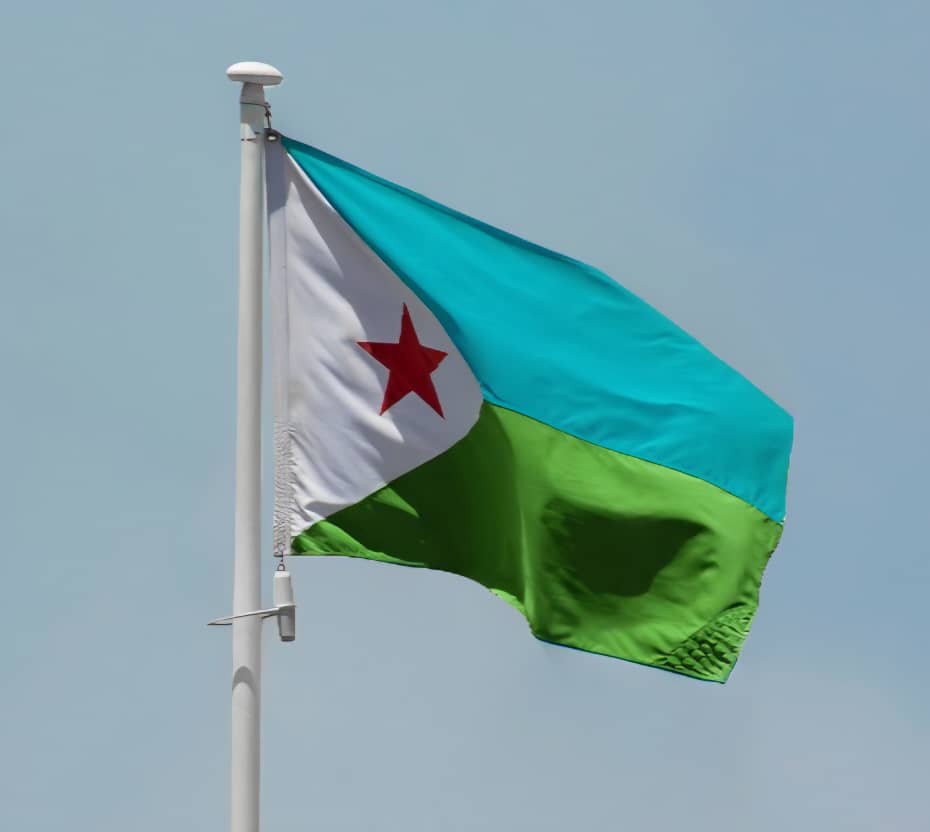
Djibouti may be one of the smallest countries in Africa, but it is one of the most fascinating destinations for adventurous travellers. Located in the Horn of Africa, it is a land of extremes—volcanic landscapes, salt lakes, coral reefs, deserts, and bustling coastal cities. What makes Djibouti truly unique is the way it brings together dramatic natural wonders, ancient traditions, and a blend of African, Arab, and French influences.
During my visit, I explored Djibouti City, Lake Assal, Lake Abbe, and the country’s scenic coastal areas. Each destination revealed something new: cultural vibrancy, geological marvels, or moments of pure tranquillity by the sea.
For me, Djibouti was a country of contrasts—both raw and refined, harsh and welcoming. It may not be on every traveller’s radar, but that is exactly what makes it feel like a hidden gem in the Horn of Africa.
Table of Contents
Djibouti at a Glance
Before diving into my journey, let me share some practical background information for travellers:
- Capital: Djibouti City
- Main Cities: Ali Sabieh, Tadjoura, Obock, Dikhil
- Population: About 1.1 million people
- Religion: Islam is the official religion, and most Djiboutians are Sunni Muslims
- Languages: French and Arabic are official, but Somali and Afar are widely spoken
- Currency: Djiboutian Franc (DJF)
- Geography: Bordered by Ethiopia, Eritrea, and Somalia, with a coastline on the Red Sea and Gulf of Aden
- Climate: Hot and arid for most of the year, with cooler months from October to April
With this mix of cultures and landscapes, Djibouti offers more than one might expect from a country its size.
Djibouti City – Cultural and Urban Insights
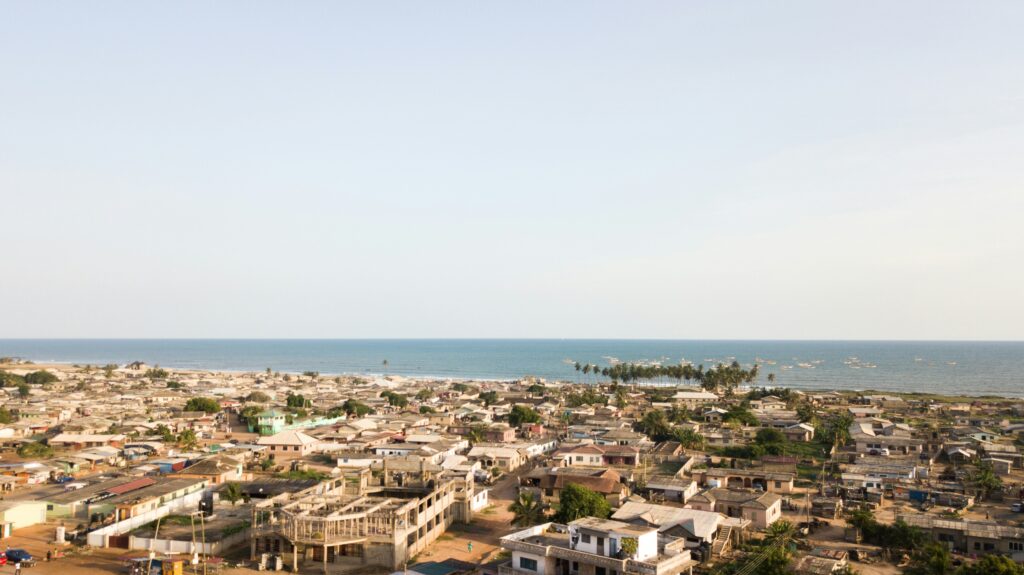
My journey began in Djibouti City, the lively capital and home to most of the country’s population. The city immediately struck me with its energy: bustling streets, lively markets, and an unmistakable mix of African and French colonial charm.
At the heart of the city lies Place Menelik, a central square where old colonial buildings meet modern shops and cafés. Sitting at a café terrace, sipping strong coffee while watching daily life unfold, I felt the city’s rhythm—a mix of tradition and modernity.
I explored the Central Market, a colourful maze where vendors sell everything from fresh seafood and tropical fruits to spices, textiles, and traditional crafts. The smell of grilled fish and roasted coffee beans filled the air, while shoppers bargained good-naturedly over prices. It was the perfect place to experience the pulse of Djibouti.
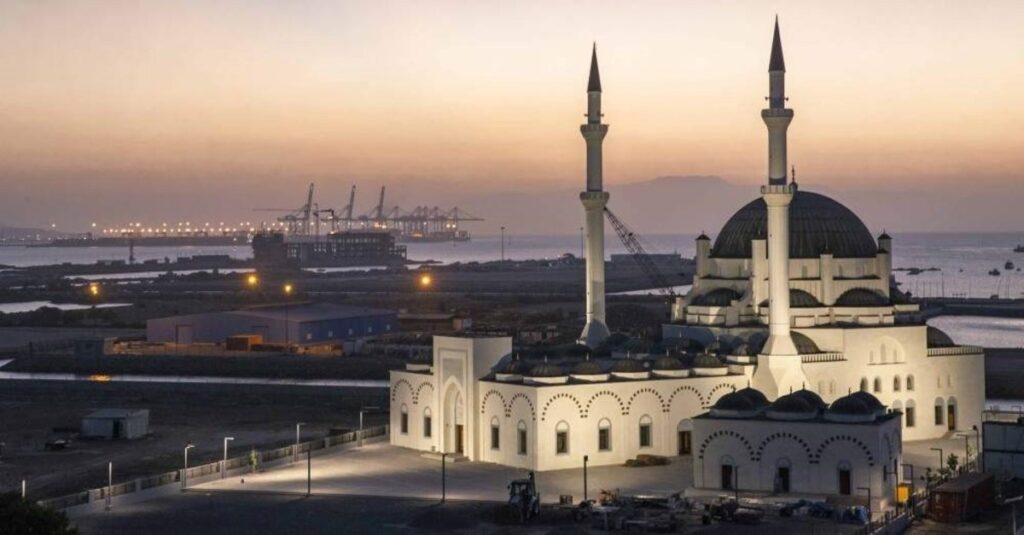
Religious and cultural landmarks also stand out in the capital. The Mosquée du Roi Fayçal (King Faisal Mosque) is the largest mosque in the country and an important symbol of Djibouti’s Islamic heritage. Walking along the waterfront Corniche, I admired the view of ships docked in the busy port and fishermen preparing their catch for the markets.
For those who want to dive deeper into Djibouti’s history, the National Museum showcases archaeological finds, traditional artifacts, and exhibits about the country’s ethnic groups—mainly Somali and Afar peoples.
At night, Djibouti City comes alive with small restaurants serving Somali, Yemeni, and French cuisine. Seafood is a highlight—freshly grilled fish, lobster, and crab often dominate the menus. I particularly enjoyed trying Skoudehkaris, a national dish made of spiced rice with lamb or beef, as well as the sweet local tea flavoured with cardamom.
Lake Assal – The Saltiest Place in Africa
After exploring the capital, I travelLed inland to Lake Assal, one of the most extraordinary natural wonders I have ever seen. Located about 120 kilometres west of Djibouti City, this lake is set in a volcanic depression at 155 meters below sea level—the lowest point in Africa.
Lake Assal is also one of the saltiest bodies of water in the world, even saltier than the Dead Sea. Its dazzling white salt flats stretch for miles, meeting the turquoise-blue waters under the blazing sun. The surreal landscape feels almost otherworldly, and standing there, I felt both humbled and inspired by nature’s extremes.
Local Afar communities still harvest salt from the lake, a practice that has been passed down for centuries. Watching men chip away at the salt crust and load it onto camels reminded me of how human life adapts even in the harshest environments.
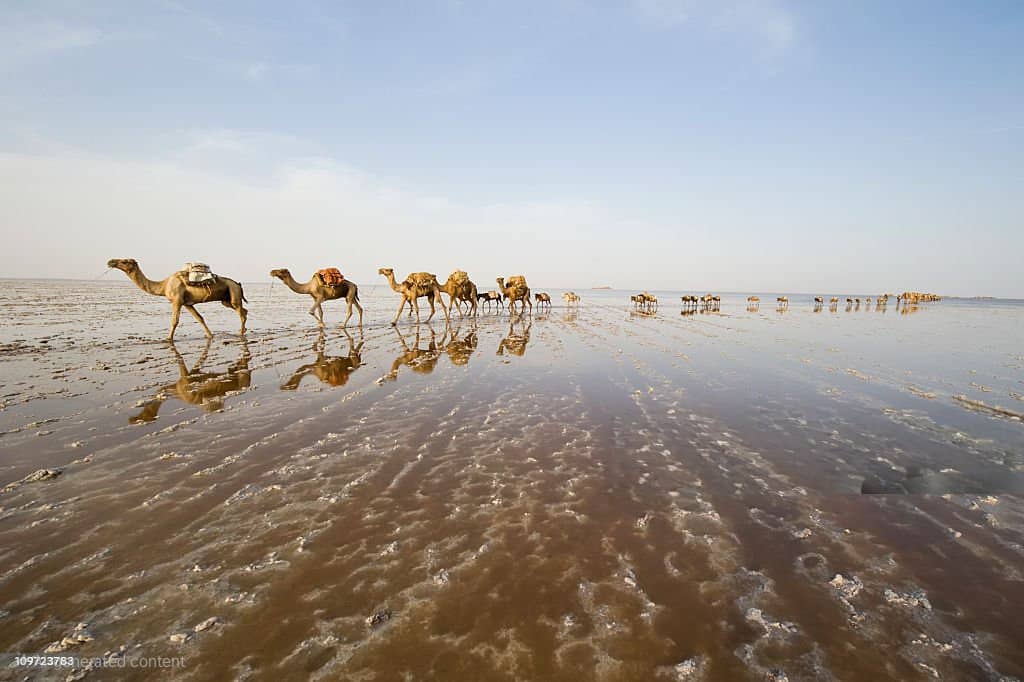
The surrounding volcanic terrain—black lava fields and rugged mountains—adds to the drama of the scenery. For adventurous travellers, Lake Assal is a dream spot for photography, hiking, or simply soaking in the vast silence of nature.
Lake Abbe – Volcanic Landscapes and Limestone Chimneys
If Lake Assal felt surreal, Lake Abbe felt positively alien. Located on the border between Djibouti and Ethiopia, Lake Abbe is famous for its towering limestone chimneys, some rising over 50 meters high, formed by geothermal activity over thousands of years.
As I arrived, I saw plumes of steam rising from hot springs scattered across the salt flats. The chimneys stood like silent guardians over the desolate landscape, creating an eerie, almost lunar atmosphere. When the sun began to set, the sky painted the chimneys in shades of orange and purple—it was one of the most breathtaking sunsets I have ever witnessed.
Lake Abbe is also an important cultural stop. The area is home to the Afar people, a nomadic community that has lived in this region for centuries. Meeting them and learning about their traditions—camel herding, salt trading, and oral storytelling—gave me a deeper appreciation of Djibouti’s cultural richness.
Wildlife lovers will also find Lake Abbe fascinating. Flamingos often gather on the lake’s shores, adding a splash of colour to the stark environment. The mix of natural beauty, wildlife, and cultural encounters made Lake Abbe an unforgettable part of my journey.
Coastal Areas – Beaches, Marine Life, and Whale Sharks
After the salt flats and volcanic landscapes, I turned to Djibouti’s coast for a completely different experience. The Gulf of Tadjoura is one of the richest marine ecosystems in the world, making it a paradise for divers and snorkelers.
In Tadjoura, one of the oldest towns in the country, I strolled through whitewashed streets before heading to the beach. The waters here are crystal clear, revealing coral reefs teeming with colourful fish, sea turtles, and rays.
One of the most thrilling experiences Djibouti offers is the chance to swim with whale sharks. From November to February, these gentle giants migrate through the Gulf of Tadjoura, and several operators offer boat trips to see them up close. Swimming alongside a whale shark—harmless despite its size—is a humbling and magical experience that I recommend to any adventurous traveller.
Culture, Festivals, and Daily Life
Djibouti’s culture is a unique mix of Somali, Afar, Arab, and French influences. Music and dance are an important part of celebrations, with Somali and Afar songs often accompanied by traditional instruments like drums and lyres.
One of the most important events in the country is Independence Day on June 27, celebrated with parades, dances, and fireworks. Other cultural events include camel racing in rural areas and traditional storytelling gatherings.
Food is another highlight of Djiboutian culture. Alongside seafood and Skoudehkaris, travellers should try lahoh or Ambabaur (a spongy flatbread similar to Ethiopian injera), sambusas (fried pastries filled with meat or vegetables), and the sweet Djiboutian halwa. Coffee, often flavoured with ginger or cardamom, is served in small cups and shared among friends as a gesture of hospitality.
Practical Travellers’ Tips for Djibouti
- Best Time to Visit: October to April offers cooler, more comfortable weather. Summers (June–September) can be extremely hot.
- Visa: Most visitors need a visa, which can be obtained online (eVisa) or at the airport.
- Transport: Renting a 4×4 vehicle is highly recommended for exploring Lake Assal and Lake Abbe. In Djibouti City, taxis and minibuses are widely available.
- Safety: Djibouti is generally safe, but it’s best to travel with a guide when venturing into remote regions.
- Dress Code: Modest clothing is advised, especially outside the capital. Lightweight, breathable fabrics are best for the heat.
- Budget: Djibouti is more expensive than many African countries due to its reliance on imports. Expect higher prices for hotels and dining compared to neighbors.
- Stay Duration: Plan at least 5–7 days to fully enjoy the mix of city life, salt lakes, volcanic landscapes, and coastal adventures.
https://www.responsibletravel.com/holidays/djibouti/travel-guide
Personal Reflections on Djibouti
Djibouti left me with lasting impressions of contrasts. In one moment, I was navigating the lively markets of Djibouti City; in another, I was standing in complete silence by the steaming chimneys of Lake Abbe. I swam in turquoise waters alongside whale sharks, then watched salt harvesters at Lake Assal carrying on traditions that have lasted for centuries.
What struck me most was how much diversity could be found in such a small country. From volcanic deserts to coral reefs, from bustling streets to nomadic villages, Djibouti is a place of constant discovery. The warmth and resilience of its people added depth to my journey, reminding me that travel is as much about human connection as it is about landscapes.
For me, Djibouti is a hidden treasure in the Horn of Africa—small in size, but immense in beauty and cultural richness.