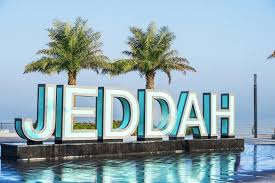
Known as the “Bride of the Red Sea,” Jeddah is Saudi Arabia’s second-largest city and one of its most captivating destinations. With a population of more than 4.5 million people, it serves as both a commercial powerhouse and a cultural melting pot.
For centuries, Jeddah has been the main gateway for pilgrims traveling to Makkah, just 80 km inland, and a port city that welcomed merchants from Africa, Asia, and the Middle East. These exchanges left a deep imprint on its architecture, food, and way of life.
When I visited Jeddah, what impressed me most was how effortlessly it blend together the old and the new. Towering skyscrapers rise beside centuries-old mosques, while bustling souks coexist with glossy shopping malls. Its Corniche waterfront feels vibrant and modern, yet its historic quarter, Al-Balad, whispers stories of the past. For travellers, Jeddah offers both a taste of Saudi Arabia’s history and a glimpse of its bold future.
Table of Contents
Practical Travel Tips for Jeddah
- Location and Climate: Jeddah lies on the western coast of Saudi Arabia, along the Red Sea. It is the kingdom’s busiest port city, handling international trade and welcoming millions of pilgrims who arrive by sea and air.
- Best Time to Visit: Between October and March, when the weather is more comfortable for sightseeing and outdoor activities.
- Transport: Ride-hailing apps (Uber, Careem) are common. Renting a car is convenient for day trips.
- Visa: Saudi Arabia now offers e-visas to many nationalities. Pilgrims for Hajj and Umrah have separate visa arrangements.
- Language: Arabic is official, but English is widely spoken in tourist areas.
- Dress Code: Modest clothing is expected. Women no longer need to wear the abaya but should dress respectfully. Men should avoid shorts in formal settings.
- Currency: Saudi Riyal (SAR). Credit cards are widely accepted, though cash is useful in souks.
How to Get There
By Air: Jeddah is served by King Abdul-Aziz International Airport (JED), one of the busiest airports in the Middle East. It has three main terminals: one for international flights, one for domestic, and the Hajj Terminal for millions of pilgrims. Direct flights connect Jeddah with cities in Africa, Asia, Europe, America and the Middle East.
By Train: The Haramain High-Speed Rail links Jeddah with Makkah, Madinah, and King Abdullah Economic City, reducing travel times dramatically. It is one of the most convenient and comfortable ways to travel across western Saudi Arabia.
By Road: Highways connect Jeddah with Makkah (1 hour) and Madinah (4–5 hours). Taxis, private cars, and ride-hailing apps like Uber and Careem are widely used.
Where to visit?
The Jeddah Corniche – The City’s Beating Heart
Stretching over 30 kilometres, the Jeddah Corniche is a lively promenade where locals and visitors gather. Families picnic by the sea, joggers and cyclists enjoy the breeze, and children play in the many parks and playgrounds.
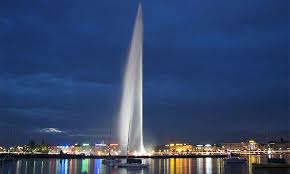
One of its most striking features is the King Fahd Fountain, the tallest fountain in the world, shooting water 300 meters high. At night, with lights shining on the powerful jet, it becomes a spectacular sight and a symbol of the city’s ambition.
The Corniche also features public art installations, open-air sculptures, modern cafes, and viewing decks overlooking the Red Sea. Watching the sunset here is an unforgettable experience.
Al-Balad – A Journey into History
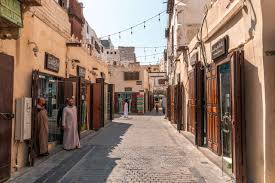
Al-Balad, the historic heart of Jeddah, is one of the most fascinating cultural gems in Saudi Arabia. It is a UNESCO World Heritage Site (2014) that offers a window into the country’s past, long before modern skyscrapers and highways shaped the city. Walking through its narrow alleys, you can feel the essence of centuries-old trade, architecture, and community life that flourished here.
Nassif House Museum
The Nassif House, also known as Bayt Nassif, is one of the most iconic landmarks of Al-Balad. Built in the late 19th century, it belonged to the influential Nassif family, who were wealthy merchants. This house has hosted many notable figures, most famously King Abdul-Aziz Ibn Saud, the founder of modern Saudi Arabia, who stayed there in the 1920s.
What makes this house unique is its architectural style—large wooden balconies known as rawasheen, intricately carved doors, and coral stone walls that kept the interior cool during Jeddah’s hot summers.
Inside, the museum displays artifacts, furniture, and photographs that tell the story of old Jeddah. The rooftop terrace offers one of the best panoramic views of Al-Balad, with its labyrinth of alleyways, mosques, and traditional houses.
Souk Al-Alawi
Souk Al-Alawi is the beating heart of Al-Balad. It stretches for several kilometres and is considered one of the largest traditional markets in the Middle East. Walking through its stalls, you encounter a mix of history and living culture. Traders sell everything from aromatic spices, frankincense, and oud to colourful textiles, traditional garments, jewellery, and souvenirs.
The scent of cardamom coffee, oud wood burning, and roasted nuts fills the air. This souk was historically part of the Red Sea trade routes, where merchants from Asia, Africa, and the Arabian Peninsula exchanged goods. Even today, you can sense that international character. Bargaining is part of the experience, and visitors often enjoy chatting with shopkeepers who share stories of the market’s heritage.
Historic Mosques
Al-Balad is home to several ancient mosques, some dating back nearly a thousand years. Among them:
Al-Shafi’i Mosque: Built in the 13th century during the Ayyubid era, it is considered one of the oldest mosques in Jeddah. Its minaret is believed to be one of the earliest in the region. Inside, you’ll find wooden beams and coral stone construction, giving it a distinct character.
Ukash Mosque: Another old mosque with a unique design, showing how religious life was at the center of community life in Al-Balad.
These mosques are not only places of worship but also symbols of the town’s Islamic history, reflecting the role of Jeddah as a gateway for pilgrims traveling to Makkah.
Evenings in Al-Balad
One of the most magical times to visit Al-Balad is in the evening. As the sun sets, the old town glows under warm lights that illuminate the rawasheen and stone walls. The call to prayer echoes through the alleys, creating a spiritual and atmospheric experience.
Families and tourists wander through the markets, enjoying traditional street foods such as samosas, falafel, and mutabbaq (a stuffed pancake). Street vendors sell fresh juices, dates, and sweets. There is often a festive feel, especially during weekends and Ramadan when Al-Balad becomes even more vibrant with cultural events, performances, and gatherings.
Why Al-Balad Matters
Visiting Al-Balad is more than sightseeing—it’s about stepping into living history. It shows Jeddah’s role as a trading hub, a meeting point of cultures, and the gateway for millions of pilgrims on their way to Makkah. At the same time, it remains a lively part of the city, where history and modern life blend seamlessly.
For travellers, Al-Balad offers a rare chance to experience Saudi Arabia’s heritage up close—whether through walking tours, cultural events, or simply getting lost in its charming alleys.
https://www.visitalbalad.com/en
Modern Jeddah: A City of Growth and Global Ambition
If Al-Balad whispers of the past, modern Jeddah speaks boldly of the future. Over the past few decades, Jeddah has grown from a regional seaport into a cosmopolitan city with a global outlook. Today, it is a place where tradition meets innovation—a city of glass towers rising beside the Red Sea, world-class shopping centers, and vibrant cultural festivals.
Why Modern Jeddah Matters
Modern Jeddah is more than just skyscrapers and malls—it represents Saudi Arabia’s vision of balancing tradition with modernity. It is a city that welcomes global trends while proudly preserving its cultural roots. For travellers, this means experiencing the best of both worlds: strolling through Al-Balad’s centuries-old streets by day, and enjoying concerts, fine dining, or luxury shopping by night.
Shopping Malls and Entertainment
For many visitors, Jeddah’s modern side is best experienced through its expansive malls. Unlike the simple markets of old, these malls are multi-purpose entertainment centers:
Red Sea Mall: One of the largest in Saudi Arabia, it offers not only fashion brands but also a cinema complex, a wide variety of restaurants, and family-friendly play zones. It’s a popular weekend destination for both residents and tourists.
Mall of Arabia: Known for its vast layout and variety of international brands, it’s also a lively social space where families spend entire afternoons.
Le Château: A boutique shopping destination with a European-style design, offering luxury goods and upscale cafes.
These malls reflect the city’s global ambitions—spaces where you can shop for the latest fashion trends, enjoy gourmet dining, or watch a film, all under one roof.
Museums: Preserving the Past amid Growth
Jeddah may be racing toward the future, but it hasn’t forgotten its heritage. Its museums offer fascinating insights into Saudi culture and world history:
Abdul Raouf Khalil Museum: This privately-owned museum is a treasure trove. It not only covers Islamic history but also showcases pre-Islamic artifacts, giving visitors a broader understanding of Arabia’s deep past. Its exhibits span from Bedouin traditions to Ottoman-era relics.
Al-Tayebat International City: More than just a museum, this vast complex is dedicated to Saudi heritage and global cultures. It contains thousands of items—manuscripts, traditional clothing, coins, and artwork—beautifully arranged across multiple halls. For culture lovers, this is one of Jeddah’s must-visit destinations.
The Floating Mosque (Al-Rahma Mosque)
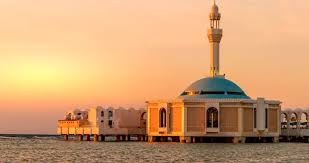
Perhaps one of the most photographed modern landmarks in Jeddah is the Al-Rahma Mosque, often referred to as the “Floating Mosque.” Built on stilts extending into the Red Sea, it creates the illusion of floating during high tide. With its white domes and minarets reflecting on the water, it is a serene sight.
Visiting at sunset is especially recommended—when the sea glows gold and orange, the atmosphere becomes truly spiritual. Many visitors say that attending prayer here at dusk is among their most moving experiences in Jeddah.
Festivals and Events: Jeddah as a Cultural Hub
In recent years, Jeddah has positioned itself as one of Saudi Arabia’s most important cultural centers. Its event calendar is rapidly expanding, reflecting the city’s cosmopolitan spirit.
Jeddah Season (summer): A lively festival featuring concerts by international and local artists, art exhibitions, food fairs, and performances along the Corniche. It’s designed to showcase the city as both a tourist and cultural hotspot.
Red Sea International Film Festival (December): A relatively new but already prestigious event, this festival attracts filmmakers, actors, and producers from across the world. It has quickly become a symbol of Saudi Arabia’s opening to the global arts scene.
Saudi National Day (September 23): Jeddah celebrates the Kingdom’s founding with fireworks, parades, cultural shows, and live concerts, especially along the Corniche. The atmosphere is electric and full of pride.
Ramadan and Eid: During the holy month, Jeddah takes on a festive glow. Streets are decorated, special night markets open, and families gather to enjoy traditional foods. Eid, which follows Ramadan, is celebrated with joy, gift-giving, and communal feasts.
These events give travellers a chance to experience Jeddah beyond sightseeing—immersing them in the city’s energy, creativity, and hospitality.
Jeddah’s Culinary Scene: A Cosmopolitan Feast
Food is often the best way to understand a city’s culture, and Jeddah’s cuisine tells the story of centuries of trade and migration. Being a port city, it has absorbed flavours from Africa, the Levant, Persia, India, and the wider Arabian Peninsula.
Some must-try dishes include:
- Kabsa: The national dish of Saudi Arabia, consisting of rice flavoured with spices like cardamom and cloves, served with either chicken, lamb, or sometimes camel meat.
- Sayadieh: A Red Sea favourite, combining spiced rice with fish, caramelized onions, and tahini sauce.
- Mutabbaq: A Street-food classic—thin dough stuffed with minced meat, eggs, and vegetables, fried until crispy.
- Seafood: Fresh from the Red Sea, hammour, shrimp, and crab feature prominently in local restaurants.
- Desserts: Try kunafa, a syrup-soaked cheese pastry, or maamoul, buttery cookies filled with dates or nuts.
Meals are often accompanied by Saudi gahwa—light Arabic coffee infused with cardamom—served with dates. This gesture of hospitality is central to Saudi culture.
Red Sea Adventures
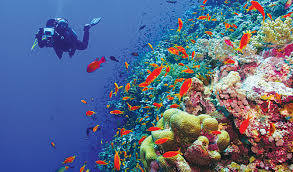
Jeddah is also a gateway to the Red Sea’s underwater world. The nearby Obhur beach which is a popular coastal destination located on the Red Sea coast, about 30 kilometres north of Jeddah. It is known for its clear waters, vibrant coral reefs perfect for diving and snorkelling, and sandy shores suitable for sunbathing and relaxing, area is lined with beach resorts, offering access to private beaches, boat rides, and water sports.
Diving and snorkelling are highlights here. The Red Sea boasts vibrant coral reefs, tropical fish, and even old shipwrecks waiting to be explored. For non-divers, the coastline provides plenty of opportunities for swimming, sunbathing, and enjoying fresh seafood by the water.
Final Thoughts on Jeddah
Jeddah is a city of encounters: past and present, tradition and modernity, commerce and faith. Its history as a port and pilgrimage gateway gives it a spirit of openness that continues today.
In Al-Balad, you walk through history. On the Corniche, you see modern Saudi society at play. In the souks, you taste and smell centuries of cultural exchange. And along the Red Sea, you discover natural beauty that rivals anywhere in the world.
For me, Jeddah was not just a stopover but a window into Saudi Arabia’s soul. It is a city that tells stories, welcomes strangers, and leaves every visitor richer in perspective. Whether you are arriving as a pilgrim, a business traveller, or a tourist, Jeddah will greet you with a uniquely Saudi warmth—by the sea, in the souk, and in the smile of its people.