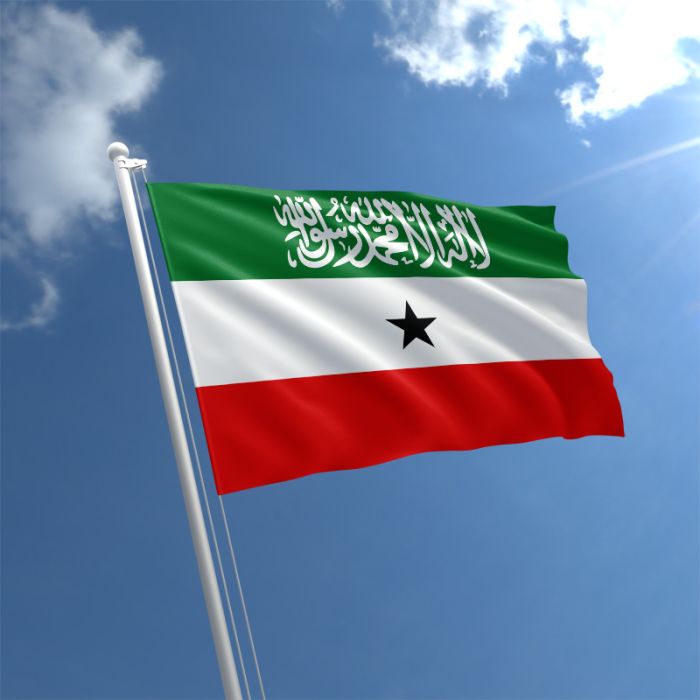
When people think of travel in East Africa, popular destinations such as Kenya, or Zanzibar often come to mind. But beyond these well-known locations lies “the republic of Somaliland”, a self-declared republic that remains one of the best-kept secrets of the region. This country is peaceful, democratic, culturally rich, and full of warm people who welcome every visitor with open arms.
Since reclaiming its independence from Somalia in 1991, Somaliland has stood apart as a beacon of stability and resilience. Despite the lack of formal international recognition, it has built democratic institutions, maintained peace, and offered visitors something rare in today’s world: authenticity. In Somaliland, nothing feels staged for tourists — you experience life as it truly is.
This guide, part of my series “Around the World with Abdikarim Baarjeeh”, takes you step by step through Somaliland’s landscapes, cities, culture, and people. From the lively capital of Hargeisa to the golden beaches of Berbera, the intellectual spirit of Borama, the spiritual legacy of Awbarkhadle, the bustling city of Burao and the misty mountains of Erigavo, Somaliland offers something for everyone.
Table of Contents
Geography and location
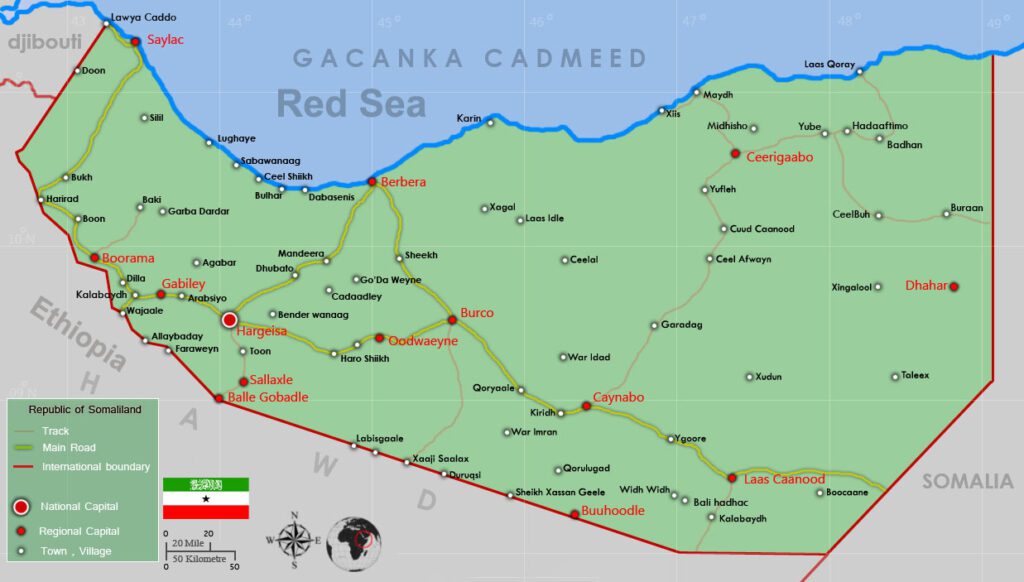
Somaliland is located in the Horn of Africa, bordered by the Gulf of Aden to the north, Djibouti to the northwest, Ethiopia to the south and west, and Somalia’s Puntland region to the east.
Its northern coastline stretches over 850 kilometres along the Red Sea and Gulf of Aden, making it a historic trading gateway between Africa and the rest of the world.
Country Profile
Capital: Hargeisa
Population: Around 5 million
Currency: Somaliland Shilling (though the US dollar is widely accepted)
Languages: Somali (official), Arabic, and English
Religion: Islam (100% Sunni)
Climate: Semi-arid, hot summers and mild winters
Government: Democratic, presidential system
Current President: Abdirahman Mohamed Abdillahi (irro)
Past Presidents: Muse Bihi Abdi, Ahmed Mohamed Mohamud (Silaanyo), Daahir Riyaale Kaahin, Mohamed Haji Ibrahim Egal and Abdirahman Ahmed Ali (Tuur).
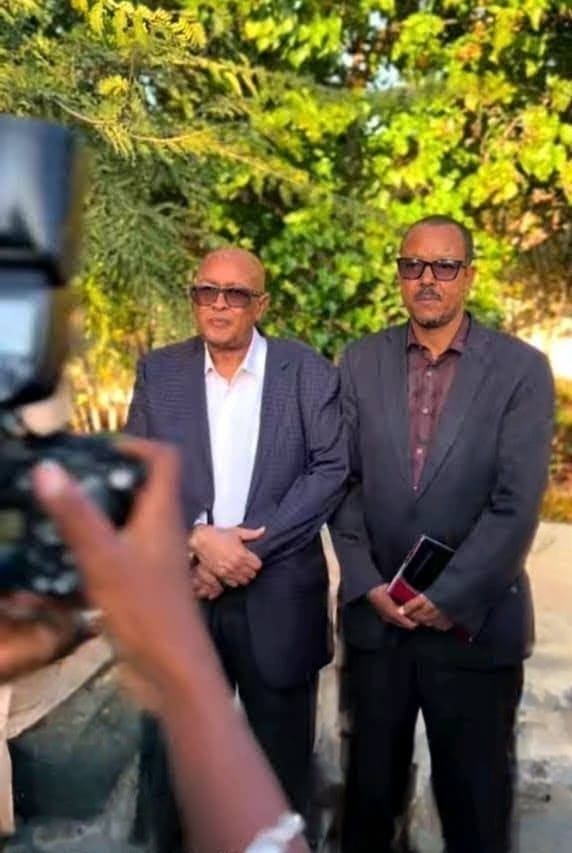
Demographically, Somaliland has a young population, with nearly 70% under the age of 30. The people are proud of their traditions but also forward-looking, valuing education and connectivity with the wider world.
Politics, Peace, and Democracy
Unlike many parts of Africa, Somaliland has managed peaceful multi-party democracy. Presidential, parliamentary and local council elections have been held regularly, and power has changed hands peacefully.
This political stability, despite the lack of international recognition, is one of Somaliland’s proudest achievements.
How to Get There?
Reaching Somaliland is easier than many think.
Airlines: The main carriers serving Hargeisa include Flydubai, Ethiopian Airlines and Daallo Airlines.
Visa: Tourists can obtain a visa on arrival for $60. This simplicity makes the country particularly appealing for spontaneous travellers.
Airport to city transport: From Hargeisa’s Egal International Airport, taxis to the city cost $20–$30. Outside the capital, taxi fares are negotiable, and visitors are encouraged to bargain politely.
Where to Stay?
Accommodation in Somaliland caters to a variety of budgets:
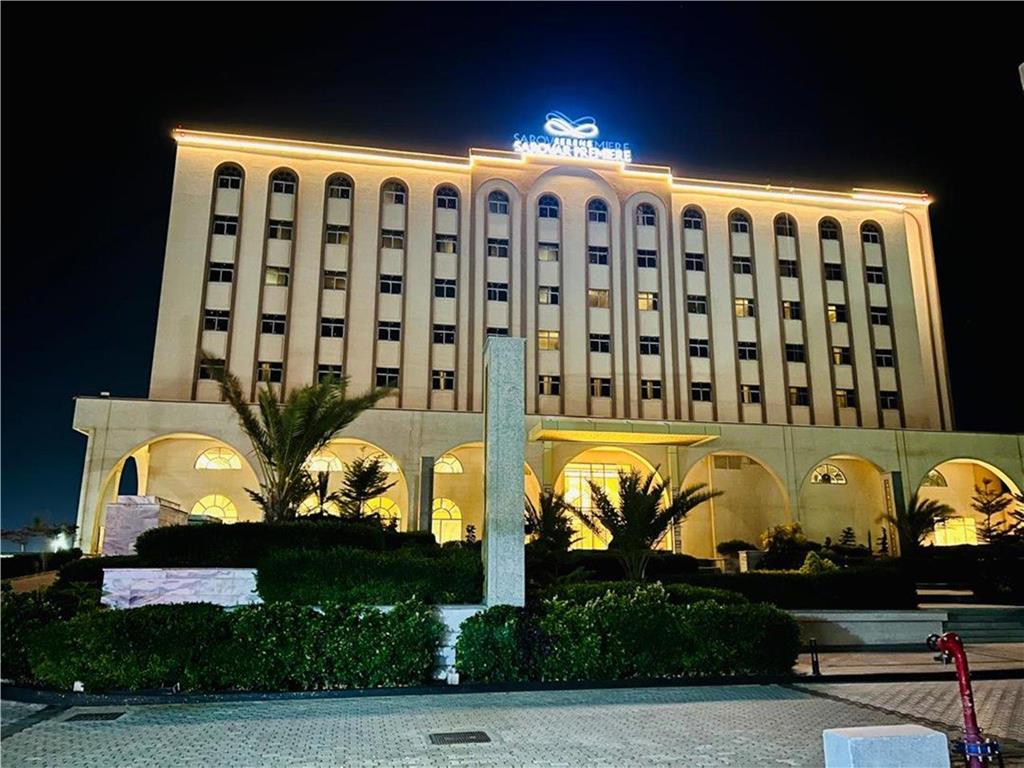
Luxury: Sarovar Premier Hotel in Hargeisa offers international-standard comfort with restaurants, conference facilities, gym and a swimming pool.
Mid-range: Ambassador Hotel and Maansoor Hotel are favorites among business travellers and NGOs, offering reliable service and good security.
Budget: For backpackers, there are small family-run guesthouses and budget hotels spread across Hargeisa and other towns.
Getting Around Somaliland
Transport between cities is straightforward:
Public Buses: Cheap ($10 or less) and widely used by locals, though often crowded.
Shared Taxis: A common way to travel between towns. Prices are negotiable, and travellers should confirm fares before departure.
Private Car with Driver: The most comfortable way to explore, especially for foreigners. Cars with local drivers double as guides, offering insights into history and culture.
Hargeisa: The Beating Heart of Somaliland
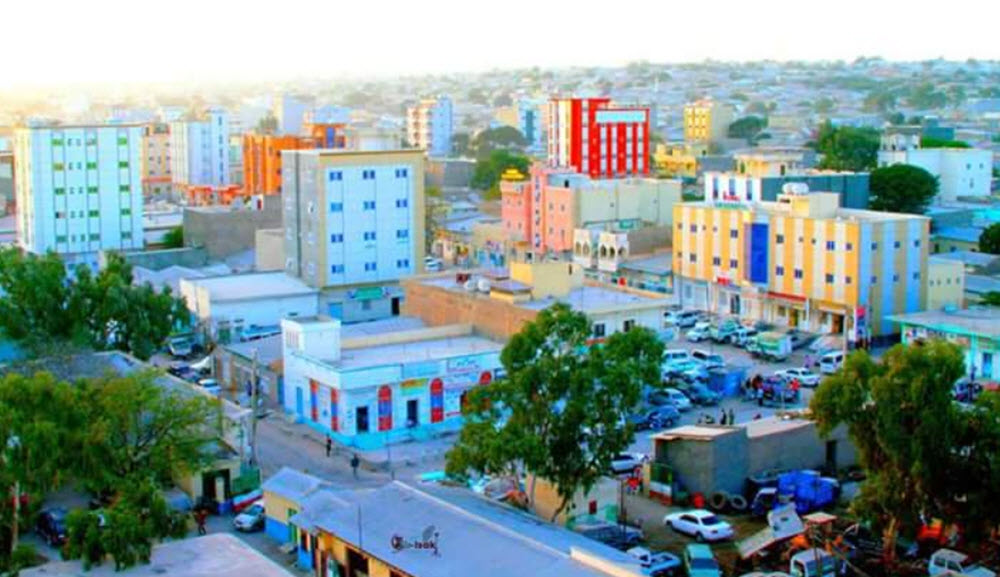
Hargeisa is not just the capital — it is the soul of Somaliland. Home to nearly 1.2-1.5 million people, it is the largest city in the country and the centre of politics, commerce, and culture. A city that endured the hardships of war in the 1980s and then rose again from the ashes, Hargeisa today pulses with life, colour, and opportunity. Its wide boulevards, vibrant markets, and ever-bustling energy reflect a society that is determined to move forward while holding tightly to its traditions.
Where to visit in Hargeisa?
City Centre: Strolling through Hargeisa’s downtown is an experience in itself. Small shops overflow with colourful fabrics, perfumes, and electronics, while tea stalls line the streets, inviting passers-by to pause for a spiced Somali tea. The atmosphere is busy yet welcoming, and the safety of the city is immediately noticeable to any visitor.
Livestock Market: Among the largest in East Africa, Hargeisa’s livestock market is where thousands of camels, cattle, sheep, and goats change hands daily. It is a vital engine of Somaliland’s economy and a living testament to the pastoral traditions that continue to shape society.
Jameeco Weyn Mosque: As the oldest mosque in Hargeisa, Jameeco Weyn is not just a place of prayer but a landmark of heritage and spirituality.
Masjid Jami (The Grand Mosque): The largest mosque in Hargeisa, and indeed in all of Somaliland, Masjid Jami stands proudly in the heart of the city. With its striking minarets and open courtyards, it is the spiritual centre for thousands of worshippers every Friday.
Naasa Hablood Mountains: Just outside the city rise the twin peaks of Naasa Hablood (literally “the girls’ breasts”), famous natural landmarks that have become the symbol of Hargeisa. For locals, these hills are deeply tied to identity and pride, while for visitors, they offer a striking landscape for photos and hikes.
Aircraft and tank Monuments: Scattered around the city are relics of war — Soviet-era fighter jets and tanks, now painted and displayed as monuments. They symbolize the resilience of the Somaliland people and their ability to transform hardship into strength.
Surrounding Villages and Towns: Beyond Hargeisa, life slows down in the villages and farms that ring the capital. From the fertile fields of Arabsiyo to the farmlands of Gabiley, you’ll find crops of tomatoes, oranges, guava, corn and maize being cultivated. These areas are often referred to as Somaliland’s breadbasket, and a drive through them is a refreshing escape from the city.
Laasgeel: Prehistoric Cave Paintings
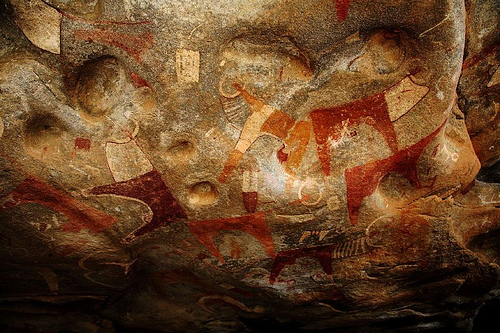
A short drive from Hargeisa, the Laasgeel caves hold some of Africa’s most remarkable rock art. Discovered in 2002, the paintings are over 5,000 years old, depicting cattle, herders, and ritual life in striking colours. The site proves that Somaliland was once home to advanced prehistoric communities. Visiting Laasgeel is like stepping back into prehistory, a reminder of Somaliland’s deep and ancient heritage.
Hospitality and Life:
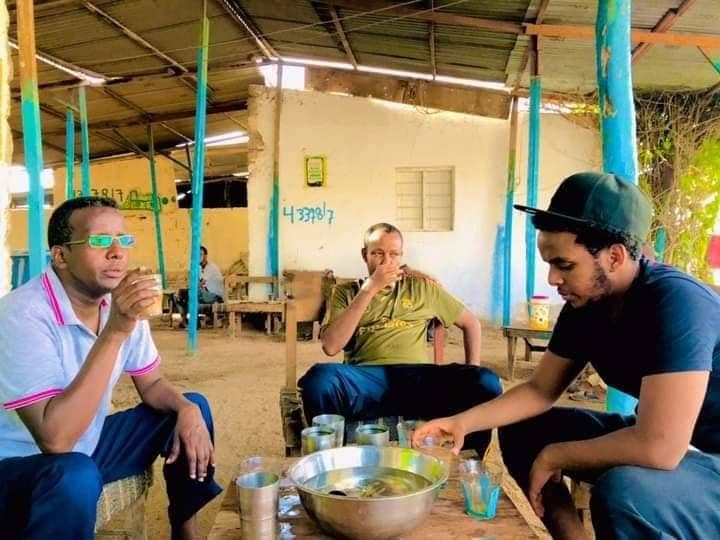
Above all, Hargeisa’s greatest treasure is its people. It is common for a visitor to be invited to share tea, fruit, or even a full meal by complete strangers — a testament to the hospitality woven into Somali culture. In Hargeisa and indeed all Somaliland, guests are seen as blessings, and this warm welcome stays in the memory of every traveller.
https://www.cfr.org/backgrounder/somaliland-horn-africas-breakaway-state
Berbera: The Red Sea Bride
Berbera, Somaliland’s port city, lies on the shimmering coast of the Gulf of Aden and serves as the nation’s gateway to the sea. With a history stretching back thousands of years, it has been a crossroads of trade, culture, and empire.
Where to visit in Berbera?
Beaches: The city boasts some of the finest beaches in the Horn of Africa. Golden sands stretch for miles, lapped by clear turquoise waters. The sea is calm, shallow, and inviting, perfect for swimming, snorkeling, and diving. With minimal tourist crowds, the beaches remain pristine and unspoiled, making Berbera a hidden paradise for those who love the sea.
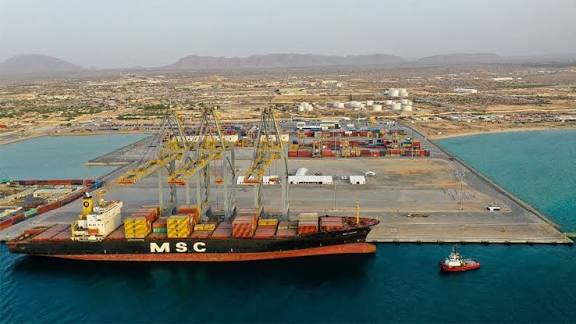
Port and Economy: The Port of Berbera is Somaliland’s economic lifeline. Modernized with investment and strategic partnerships, it connects Somaliland’s livestock, agricultural goods, and trade commodities to markets in the Gulf States, Yemen, and beyond. It is not only a commercial hub but also a symbol of Somaliland’s ambition to strengthen its place in global trade.
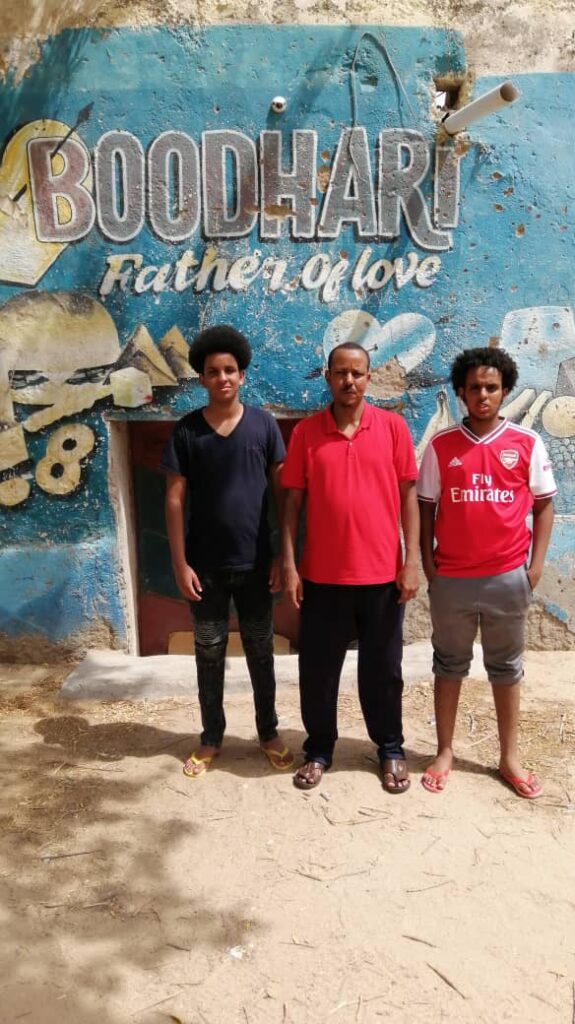
Culture and History: Berbera has always been a city of poetry, culture, and romance. It is forever linked to Elmi Bodhari, the legendary Somali “love poet,” whose verses about his forbidden love are still sung and remembered across the Somali-speaking world.
Architecture: Walking through Berbera, visitors encounter colourful colonial architecture, reminders of the city’s rich past under Ottoman, Egyptian, and British influence. Faded yet charming, these structures tell stories of traders and sailors who passed through Berbera’s port for centuries.
Daily Life: Berbera is a relaxed city compared to Hargeisa. Fishing boats bring in the daily catch, streets are lined with small markets, and children play football on the beach at sunset. The salty sea breeze, the laid-back rhythm, and the stunning sunsets make Berbera a city of both beauty and tranquillity.
Sheikh Mountain: A Highland Escape
Between Berbera and Burao lies the majestic Sheikh Mountain, one of Somaliland’s most breathtaking natural wonders. Rising above the arid plains, its cool climate and green slopes provide a refreshing contrast to the surrounding lowlands. The winding road that climbs up the mountain is considered one of the most scenic drives in the country, offering sweeping views over valleys, plateaus, and distant horizons.
At the top, the town of Sheikh welcomes visitors with its peaceful atmosphere and historic schools, once among the most prestigious in the region. For nature lovers, the mountain is a paradise of fresh air, birdlife, and panoramic views, making it an ideal stopover between Berbera’s golden beaches and Burao’s bustling markets
Burao: The Mother of Somaliland
Set in the Togdheer region, Burao is Somaliland’s second-largest inland city and holds a special place in the nation’s modern history. Known as the “Mother of Somaliland”, Burao hosted the pivotal 1991 conference where elders, clan leaders, and politicians declared Somaliland’s independence from Somalia.
Where to visit in Burao?
Livestock Market: Burao is home to the largest livestock market in Somaliland, where hundreds of thousands of goats, sheep, camels, and cattle are traded every year. From here, animals are exported to the Gulf, especially Saudi Arabia and the UAE, making it the backbone of Somaliland’s economy. During the peak trading season, the market buzzes with energy as merchants negotiate deals that link the highlands of Africa to the markets of Arabia.
Economic and Cultural Hub: Beyond livestock, Burao is also a centre of commerce and transport, connecting the western and eastern regions of Somaliland. Its busy streets and marketplaces reflect both tradition and progress. Traders sell everything from fresh produce and fabrics to electronics, giving the city a vibrant atmosphere.
Atmosphere: Burao embodies the resilience and strength of Somaliland’s people. The city, once scarred by conflict, has rebuilt itself into a thriving hub of trade and activity. Visitors are often struck by the warmth of its residents, who proudly share stories of their city’s role in shaping Somaliland’s destiny.
Surroundings: The areas around Burao offer a glimpse into the pastoral life of Somaliland. Rolling plains dotted with acacia trees are home to nomadic families who continue to live in harmony with their livestock. Travellers venturing beyond the city can experience traditional Somali hospitality first-hand in these rural communities.
Erigavo: Land of gold and Oud
Nestled high in the Sanaag region, Erigavo is perhaps the most scenic and diverse city in Somaliland. Unlike the arid landscapes often associated with the Horn of Africa, Erigavo and its surroundings offer a refreshing contrast — rolling mountains, lush greenery, and cool mists drifting over the valleys.
Where to visit in Erigavo?
Daallo Mountain: Towering above the city, the Daallo Mountain range is blanketed in forests, offering trails that wind through pine groves and sweeping views across the Gulf of Aden. For hikers and nature lovers, Daallo is a paradise — one of the few places in the region where you can experience cool highland weather and dense vegetation. It is also home to unique species of birds and plants, making it a hotspot for eco-tourism.
Gold and Minerals: Beyond its natural beauty, Erigavo is blessed with rich deposits of gold and other valuable minerals. For generations, small-scale miners have worked the hills, panning for gold and unearthing stones that hint at greater wealth beneath the surface. The region is believed to hold significant untapped potential, which, if developed responsibly, could transform Erigavo into an economic powerhouse while still preserving its natural charm.
Frankincense and Myrrh: Erigavo is also world-famous as the source of frankincense and myrrh, aromatic resins that have been traded for thousands of years. Ancient caravans once carried these precious substances from Sanaag across the Arabian Peninsula, reaching as far as Egypt, Rome, and India. Even today, the air is heavy with their scent as farmers harvest and prepare them for trade.
Local Life: Walking through Erigavo is a sensory journey. The crisp mountain air mixes with the smell of herbs, incense, and wood smoke rising from traditional houses. The local markets bustle with traders selling everything from fresh produce and woven baskets to resin and spices. Life here feels slower, deeply rooted in tradition, yet full of the warm hospitality that defines the Somali spirit.
In many ways, Erigavo represents the soul of Somaliland — a place where nature, history, and community come together in harmony, offering visitors an unforgettable experience
Borama: The City of Knowledge and Trade
Borama, nestled near the Ethiopian border, is not only celebrated as the home of Amoud University and a centre of education, but also as a dynamic hub of trade and agriculture. Its strategic position allows it to serve as a gateway for commerce with Ethiopia and Djibouti, linking Somaliland’s markets to its neighbours.
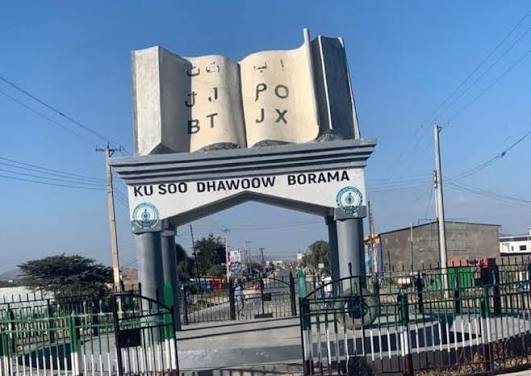
The fertile valleys surrounding Borama make it one of the country’s most productive agricultural areas, producing maize, vegetables, and fruits, which feed both the local population and supply nearby towns. Livestock farming also thrives here, with goats and sheep commonly raised for export.
In addition to farming and trade, Borama and its nearby regions are known to have potential deposits of gold and other minerals, a resource that has attracted local interest and may one day become a pillar of the region’s economy.
This combination of knowledge, trade, agriculture, and natural resources gives Borama a unique identity — a city where tradition meets opportunity, and where the spirit of hospitality remains as strong as ever.
Somaliland`s Culture, Food, and Hospitality
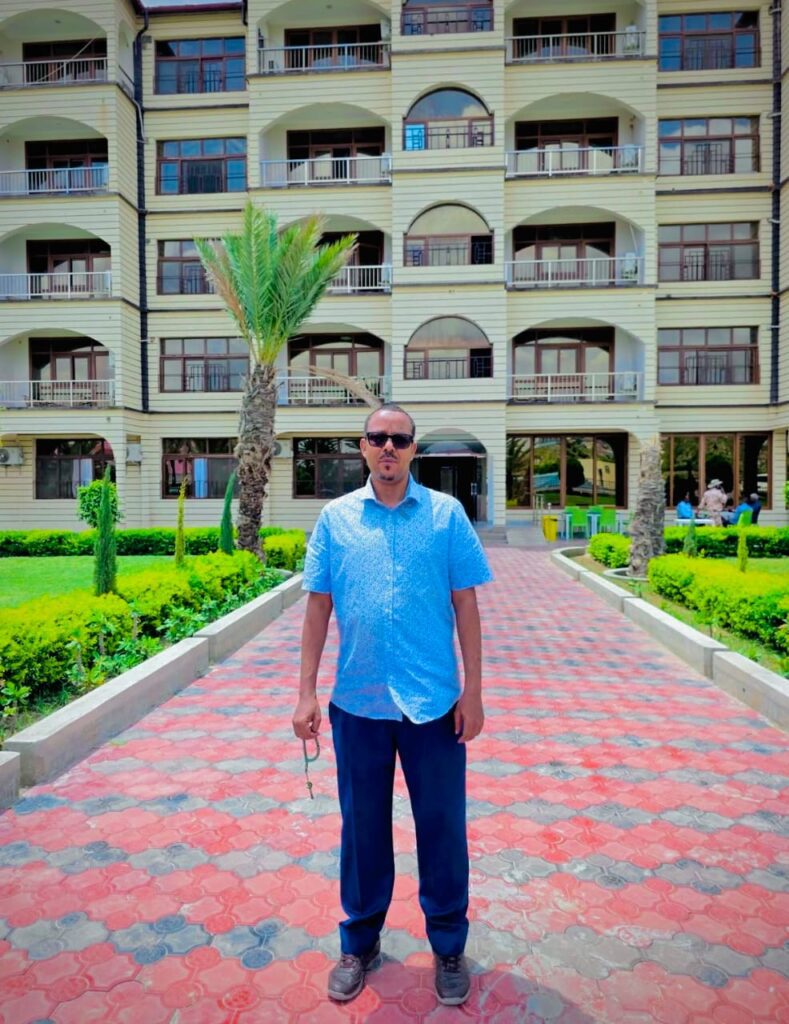
Somaliland’s greatest treasure is its people. Known for their warmth, hospitality, and deep respect for visitors, locals treat guests as a blessing.
Food: Meals often feature rice, goat meat, camel meat, and pasta (a legacy of Italian influence). Spices such as cardamom and cumin add flavour.
Tea: Somali tea, sweet and spiced, is served everywhere. Refusing an offer of tea is almost impolite!
Hospitality: Even families of modest means will serve guests their best food.
Why Somaliland Should Be on Your Travel List
- Safety: One of the safest places in the Horn of Africa.
- Hospitality: A people who value and respect guests.
- History: Ancient caves, mosques, and monuments.
- Nature: From golden beaches to misty mountains.
- Culture: A blend of Arab, African, and Islamic traditions.
- Ease of Travel: Direct flights and visa on arrival.
Conclusion
Somaliland is more than a destination — it is an experience of humanity, resilience, and authenticity.
From Hargeisa’s busy streets to Berbera’s tranquil beaches, from Burao’s historic role to the mountains of Erigavo and borama, Somaliland offers something unique: a safe, welcoming, and unforgettable journey.
Travellers who seek genuine cultural experiences, untouched landscapes, and heartfelt hospitality will find in Somaliland a story worth living and retelling.