Riyadh is the capital of the Kingdom of Saudi Arabia, a land of contrasts. It is a country where golden deserts echo with the footsteps of prophets, where holy cities (Makkah and Madinah) welcome millions of pilgrims each year, and where futuristic skyscrapers rise above bustling streets. Stretching across most of the Arabian Peninsula, Saudi Arabia is vast, diverse, and increasingly open to the world.
For centuries, the kingdom was known mainly as the birthplace of Islam and the guardian of Makkah and Madinah. But today, thanks to its “Vision 2030 initiative”, Saudi Arabia is transforming itself into a modern destination that balances heritage with innovation. From ancient Nabataean ruins in AlUla to the turquoise waters of the Red Sea, from the highlands of Taif to the cosmopolitan skyline of Riyadh, the kingdom offers travellers a journey that is both spiritual and adventurous.
In this guide, I share my impressions of Riyadh and Jeddah and extend them to other parts of the country. Whether you are drawn by history, culture, faith, or natural beauty, Saudi Arabia is a place that stays with you long after your visit.
Table of Contents
Riyadh – The Modern Capital
At the very heart of the Arabian Peninsula lies Riyadh, the capital of Saudi Arabia and its largest city. With a population of over 7 million people, Riyadh is not just the political centre of the kingdom but also a hub of business, culture, and tourism. Unlike Jeddah, which opens to the Red Sea, Riyadh rises from the desert in the central Najd region, surrounded by endless sand dunes and plateaus.
The name “Riyadh” comes from the Arabic word for “gardens,” reflecting its historical role as an oasis settlement. Today, the city is a showcase of Saudi ambition under Vision 2030, with modern skyscrapers, vast shopping malls, and entire districts dedicated to arts, entertainment, and sports. For travellers, Riyadh offers a fascinating window into how the kingdom balances tradition with rapid modernization.
Riyadh for Tourists – Practical Tips
- Location and Climate: Riyadh sits on a desert plateau about 600 meters above sea level, roughly in the geographic centre of the Arabian Peninsula. Its location means it has a desert climate—hot summers, mild winters, and very little rain. Travellers are advised to bring light, breathable clothing for summer and a light jacket for cooler winter evenings.
- Best Time to Visit: November to March, when the weather is pleasant. Avoid peak summer unless you plan to stay mostly indoors.
- Transport: Taxis and ride-hailing apps (Uber, Careem) are widely used. The upcoming Riyadh Metro, one of the largest in the world, will greatly improve mobility once fully operational.
- Dress Code: Modest clothing is expected. Women do not need to wear the abaya but should dress conservatively. Men should avoid shorts in formal or religious areas.
- Events: Riyadh Season (October–March) transforms the city with concerts, sports, fashion shows, and art exhibitions. It is one of the best times to visit.
- Day Trips: Desert excursions, Diriyah, and heritage villages around the Najd region offer great escapes from the city.
How to Get There
Riyadh is well connected both domestically and internationally.
By Air: King Khalid International Airport (RUH) is just 35 km north of the city centre and serves as a major hub. It offers flights to Europe, Asia, Africa, and all major Middle Eastern cities. Domestic flights link Riyadh with Jeddah, Madinah, Dammam, Abha, AlUla, and other Saudi cities.
By Train: The Saudi Railways Organization operates routes connecting Riyadh with Dammam in the east. The new Haramain High-Speed Rail (linking Makkah, Jeddah, and Madinah) does not yet reach Riyadh, but plans are underway for high-speed expansions.
By Road: Highways connect Riyadh with other cities. Car rentals and intercity buses are available, though long distances make flying more practical.
Must-See Attractions in Riyadh
Despite its modern skyline, Riyadh also preserves strong ties to its roots. Here are some highlights:
Kingdom Centre Tower
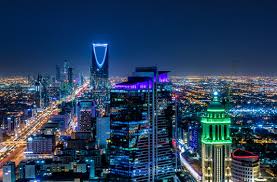
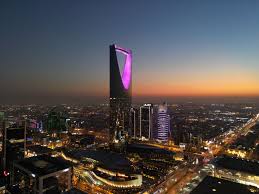
Kingdom centre tower is one of Riyadh’s most iconic landmarks. Completed in 2002, it stands at 302 meters tall with 99 floors, making it one of the tallest buildings in Saudi Arabia. Its sleek, futuristic design and unique shape have made it both an architectural and cultural icon. Visitors can take the high-speed elevator to the Sky Bridge, a 65-meter-long viewing platform offering panoramic views of the city. At night, the building glows with colourful lights, making it a spectacular sight.
Al Faisaliah Tower
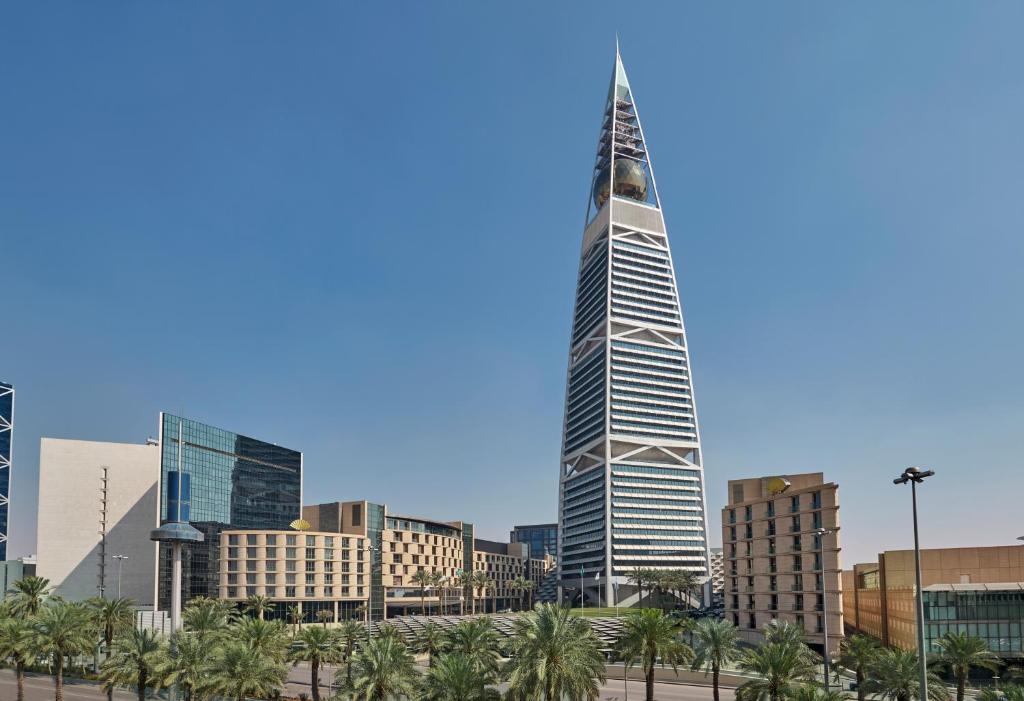
Al Faisaliah Tower is one of the most famous skyscrapers in Riyadh, Saudi Arabia, and it holds a special place as the first skyscraper ever built in the Kingdom. Located in the business district of Olaya, it has become an architectural landmark and a symbol of modern Saudi Arabia. The tower combines offices, luxury shopping, a five-star hotel, and fine dining under one roof, making it not only a business hub but also a destination for leisure and tourism.
Diriyah – Birthplace of the Saudi State
A UNESCO World Heritage Site, Diriyah was once the home of the Saudi royal family and the capital of the first Saudi state in the 18th century. Today, the restored At-Turaif District features mud-brick palaces, museums, and cultural exhibits. Diriyah has been developed into a cultural hub with restaurants, walking paths, and evening light shows.
National Museum of Saudi Arabia
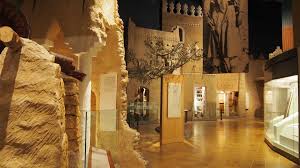
The National Museum of Saudi Arabia is one of the country’s most important cultural institutions and a must-visit destination for anyone who wants to understand the Kingdom’s history, heritage, and identity. Part of the King Abdul-Aziz Historical Centre, this museum takes you through Arabia’s history—from prehistoric artifacts and Bedouin traditions to the story of Islam and the modern Saudi state. Opened in 1999, it is located in Riyadh’s King Abdul-Aziz Historical Centre, a cultural complex that also includes a library, gardens, and monuments dedicated to the founder of modern Saudi Arabia.
Masmak Fortress
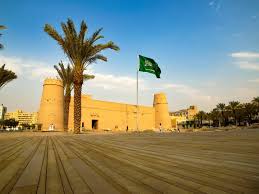
The Masmak Fortress is one of Riyadh’s most important historical landmarks, both architecturally and symbolically. Built in the mid-19th century (around 1865) during the reign of Mohammed ibn Abdullah ibn Rasheed, it served as a military stronghold. But its greatest significance comes from the year 1902, when King Abdulaziz Al Saud launched a daring raid to capture the fort, marking the beginning of the unification of Saudi Arabia. It now houses a museum displaying artifacts, weapons, and photographs.
Riyadh Boulevard City
The Riyadh Boulevard City is one of the largest and most vibrant entertainment districts in Saudi Arabia, and it has quickly become a symbol of the Kingdom’s new era of leisure, tourism, and cultural development. Opened as part of the Riyadh Season, an annual mega-festival launched in 2019, it is a place where visitors can enjoy world-class entertainment, dining, shopping, and cultural experiences all in one location.
Edge of the World
For those seeking adventure outside the city, a trip to the “Edge of the World” is unforgettable. About 90 km northwest of Riyadh, this dramatic cliff offers breathtaking views over endless desert plains. The cliffs, rising sharply from the surrounding land, create a sense of standing at the edge of the earth.
Shopping and Souks
Shopping in Riyadh is a fascinating blend of old and new, where you can wander through centuries-old markets one moment and then step into a luxury shopping mall the next. This contrast reflects the Kingdom’s rapid transformation, as it preserves its traditions while embracing modernity. For visitors, exploring both the souks (traditional markets) and the mega-malls is an essential part of experiencing the city’s culture and lifestyle.
Traditional Souks
Souk Al Zal: located near Masmak Fortress in Riyadh’s old city (Deira District) is one of Riyadh’s oldest and most famous markets, dating back over 100 years. Walking through it feels like stepping back in time, with narrow alleys filled with shops selling traditional goods.
You can buy handwoven Arabian rugs, Persian carpets, antiques and Collectibles: Old coins, swords, coffee pots (dallah), and traditional Bedouin items, Perfumes and Incense: Oud and bukhoor are popular here, both central to Saudi culture, Gold and Jewellery: Many shops specialize in gold ornaments, a popular investment and gift item, and handicrafts locally made items that make excellent souvenirs.
Souk Al Zal is more than a shopping spot—it’s a cultural immersion. Bargaining is common, and shopkeepers are usually friendly. Visiting here after a tour of Masmak Fortress makes for a perfect half-day cultural trip.
Modern Shopping Malls
Riyadh Park Mall: One of the city’s largest and most modern malls, which features International fashion brands (Zara, H&M, Gucci, etc.), massive entertainment zone with cinemas, arcades, and VR gaming, and wide selection of restaurants and cafés. The mall is family-oriented, with attractions for children as well as upscale shopping for adults.
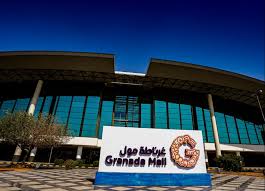
Granada Mall: popular among locals and families, known for its welcoming atmosphere. It feature over 200 stores ranging from mid-range to luxury, large food court offering both Saudi and international cuisines and Family entertainment spaces, including indoor play areas. It is a balanced mall that combines shopping, dining, and family fun in one location.
Kingdom Centre Mall: Located inside the iconic Kingdom Centre Tower.it features upscale designer boutiques such as Dior, Louis Vuitton, and Chanel, Fine dining restaurants and high-end cafés and luxury shopping experience that caters to both Saudi elites and international visitors.
Shopping here is not only about the stores but also about being inside Riyadh’s most famous skyscraper. Many visitors combine a trip to the mall with a ride up to the Sky Bridge for panoramic city views.
Culinary and food
Food in Riyadh reflects Saudi Arabia’s central Najd traditions, with influences from across the kingdom and the wider Middle East.
- Najdi Kabsa: A regional twist on the national dish of spiced rice and meat.
- Jareesh: Crushed wheat cooked with meat or chicken, a staple in Najdi cuisine.
- Harees: A slow-cooked dish of wheat and meat, especially popular during Ramadan.
- International cuisines: Riyadh’s restaurants range from Michelin-starred dining to casual shawarma stalls, reflecting its growing cosmopolitan nature.
- Coffee culture is strong—visitors should try “gahwa” (Arabic coffee with cardamom) served with dates, a symbol of hospitality.
Final Thoughts on Riyadh
Riyadh may not have the Red Sea’s beaches or Jeddah’s centuries-old coral houses, but it offers something different: a front-row seat to Saudi Arabia’s future. With its soaring towers, mega projects, and cultural revival, it represents the kingdom’s ambition. Yet, it also keeps its heritage alive through forts, museums, and souks.
For travellers, Riyadh is a city of contrasts—where you can stand in a centuries-old fortress in the morning and dine in a futuristic skyscraper by evening. It is a destination that rewards curiosity, inviting visitors to explore its layers of tradition, innovation, and desert charm.