When I first decided to travel to Saudi Arabia for Umrah, I knew it would not just be a trip – it would be a spiritual journey and an unforgettable travel experience. Unlike ordinary tourism, Umrah is both worship and travel combined. Yet, like any journey, it requires careful planning: booking flights, choosing hotels, understanding local transport, and knowing what to expect in the holy city of Makkah.
In this post, I want to share my experience of flying to Saudi Arabia, performing Umrah, and visiting the two holiest cities in Islam. Along the way, I’ll also give you practical advice about transportation, accommodation, best times to travel, local etiquette, and where to visit – so whether you are going soon, planning for later, or just curious, you’ll have a clear picture.
Table of Contents
My journey began with booking a flight. Most international travellers land either in Jeddah or Madinah, since these two airports serve pilgrims heading for Umrah and Hajj. I had two options: either put on my Umrah clothes (two white sheets for men, modest dress for women) before boarding the plane, or wait until the captain announces that the plane has reached the point where Umrah should begin (Miiqaat). I choose the later.
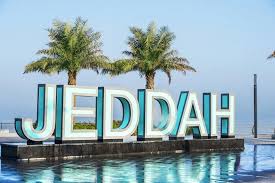
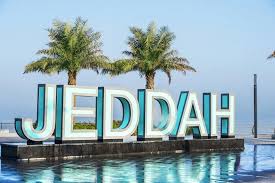
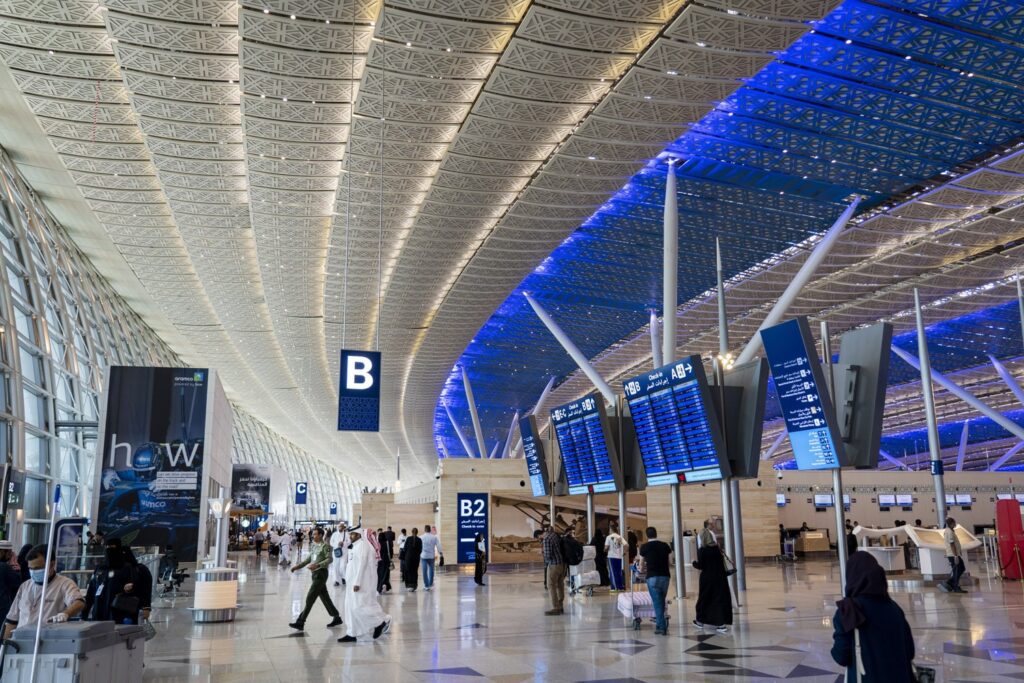
I flew into King Abdul-Aziz International Airport (JED) in Jeddah, which is about 80 kilometres from Makkah. The airport has a special Hajj and Umrah terminal, designed to handle millions of pilgrims every year.
Arriving there, the first thing I noticed was the sheer diversity of people performing Umrah from Asia, Africa, Europe, and the Americas, all dressed in simple clothes, sharing the same purpose. i applied my visa on arrival using self service kiosk machines. Immigration was smooth, and within an hour I was outside, ready to start my journey to Makkah.
Getting to Makkah
From Jeddah to Makkah, there are several options. I decided to take a private taxi for convenience, and the ride took just over an hour. But there are other ways too:
- By Train: The Haramain High-Speed Rail is one of Saudi Arabia’s newest and most impressive projects. It connects Jeddah, Makkah, Madinah, and King Abdullah Economic City. From Jeddah to Makkah, it takes just 30 minutes, with comfortable seating and smooth service.
- By Bus: South West buses are cheaper and operate frequently. They are safe, air-conditioned, and a good choice if you’re traveling on a budget.
- By Taxi or Ride-Hailing: Uber and Careem are widely available in Saudi Arabia, making it easy to book rides at fixed prices.
Basic information about Makkah
- Birthplace of Prophet Muhammad (peace be upon him).
- Home to Al-Masjid Al-Haram, the holiest mosque in Islam.
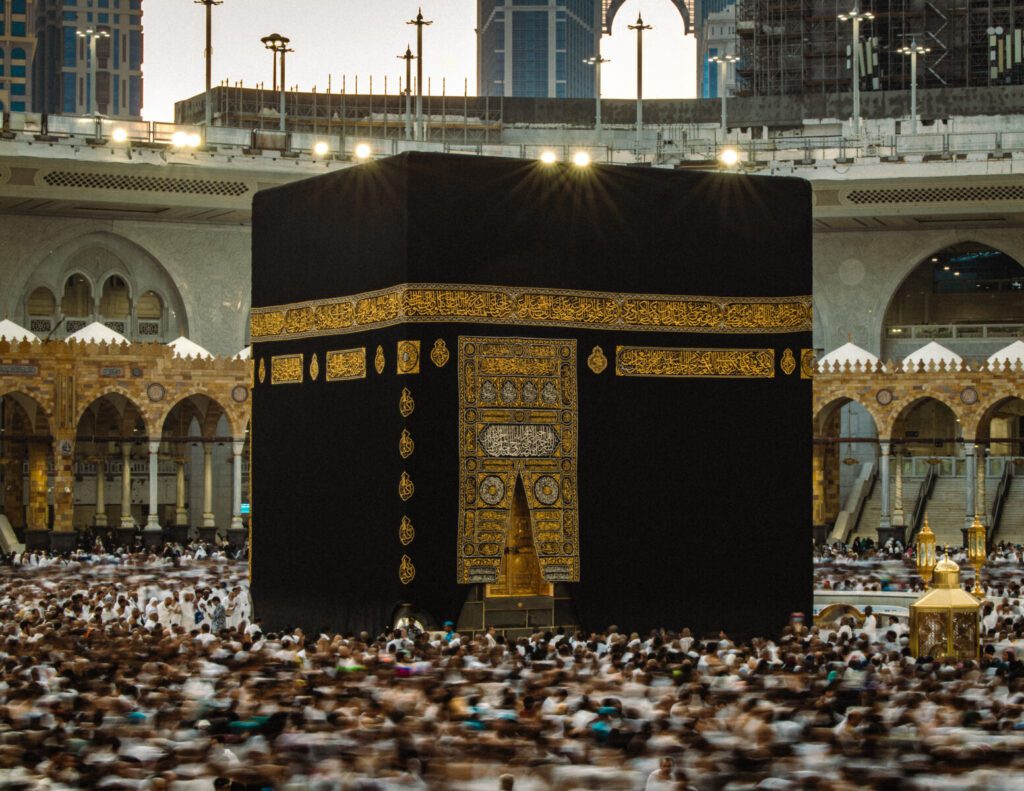
- The Kaaba is at the centre of the mosque – direction of Muslim prayers (Qibla).
- Destination for Hajj and Umrah pilgrimages.
- Located in western Saudi Arabia.
- Surrounded by mountains in a desert valley.
- Nearby cities: Jeddah (70 km west), Taif (90 km southeast), Madinah (450 km north).
- Around 2 million residents.
- During Hajj, millions of pilgrims gather in the city.
- Desert climate – hot and dry.
- Summers: extremely hot, above 40°C (104°F).
- Winters: mild, around 25°C (77°F) daytime.
- Very little rainfall.
- Connected by roads and high-speed train to Jeddah and Madinah.
- Nearest airport: King Abdul-Aziz International Airport (Jeddah).
Staying in Makkah
Hotels in Makkah cater to every type of Umrah performers and pilgrims, from luxury seekers to budget travellers. I chose a hotel within walking distance of Masjid al-Haram, at Ibrahim Al khalil road, and it made my daily visits and rituals much easier. Being close to the mosque is worth the extra cost because you spend most of your time at the Haram, and walking back and forth is part of the experience.
Luxury accommodation
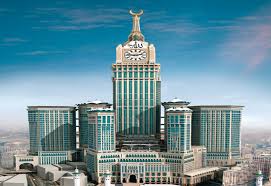
For luxury travellers, the Abraj Al Bait complex is iconic, with the Clock Tower providing stunning views over the Haram. Other high-end options include Hilton Suites Makkah, Swissôtel Makkah, and Conrad Makkah, offering spacious rooms, rooftop views, and premium amenities. These hotels often include prayer areas, restaurants, and direct access to shuttle services.
Mid-range accommodation
If you’re on a moderate budget, areas like Aziziyah, Al Shoqiyah, or near Al Khalil offer hotels that are a few kilometres from the Haram but provide shuttle buses every 20–30 minutes. Staying slightly farther out can also mean quieter surroundings, less crowded streets, and slightly lower rates.
Budget accommodation
For budget travellers or those seeking home-like accommodations, Airbnb and small guesthouses are available. I noticed that renting a private apartment, a studio, or even a small villa can be convenient for families or groups. Sharing accommodations with other pilgrims and Umrah performers is common and can significantly reduce costs while also giving a sense of community. Many apartments in Aziziyah and Misfalah include kitchens, which is helpful for preparing meals if you prefer to eat simple, homemade food.
Overall, staying close to the Haram simplifies your experience, but a little extra planning and budget flexibility can make off-site accommodations equally convenient. I personally found that balancing cost, proximity, and comfort made my stay more relaxing and allowed me to focus on spiritual devotion rather than logistics.
Performing Umrah
After check in my hotel, I headed to the Haram quickly. The heart of my journey was performing Umrah. Unlike Hajj, which has specific dates once a year, Umrah can be performed anytime. To enter to the Masjidul Haraam, you do need a permit through the Nusuk app if you are performing Umrah.
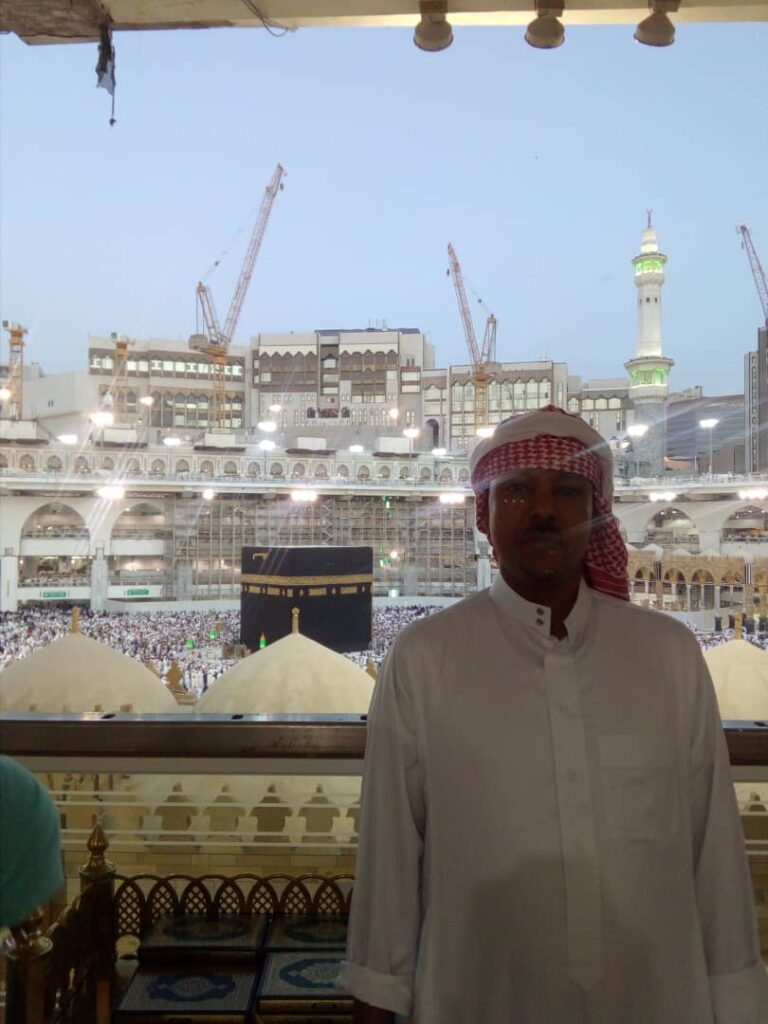
I entered Masjid al-Haram. The sight of the Kaaba for the first time is overwhelming – I felt both tears and peace at once. Umrah rituals are simple but deeply meaningful and include:
- Tawaf – walking seven times around the Kaaba.
- Sa’i – walking between the hills of Safa and Marwah, remembering Hagar’s search for water for her son Ismail.
- Shaving or cutting hair – for men, shaving the head or trimming hair; for women, cutting a small portion.
Drinking Zamzam water – from the sacred well inside the Haram is encouraged
These steps don’t take long, 3 hours or less, but the emotional and spiritual impact stays forever.
Visiting historical sacred places
After performing Umrah at the Masjid al-Haram, I made time to explore other sacred and historically significant sites in Makkah. While the Haram is undoubtedly the spiritual heart of the city, these surrounding locations offer deeper insight into Islamic history and the life of the Prophet Muhammad (peace be upon him).
Jabal al-Nour
One of the first places I visited was Jabal al-Nour, or the Mountain of Light. This rugged mountain is home to the Cave of Hira, where the Prophet Muhammad (Peace be upon him) received the first revelation from Allah through the angel Jibreel (Gabriel). The climb is steep, unpaved and it took me about 45 minutes to reach the top, but the panoramic view of Makkah from above made every step worthwhile.
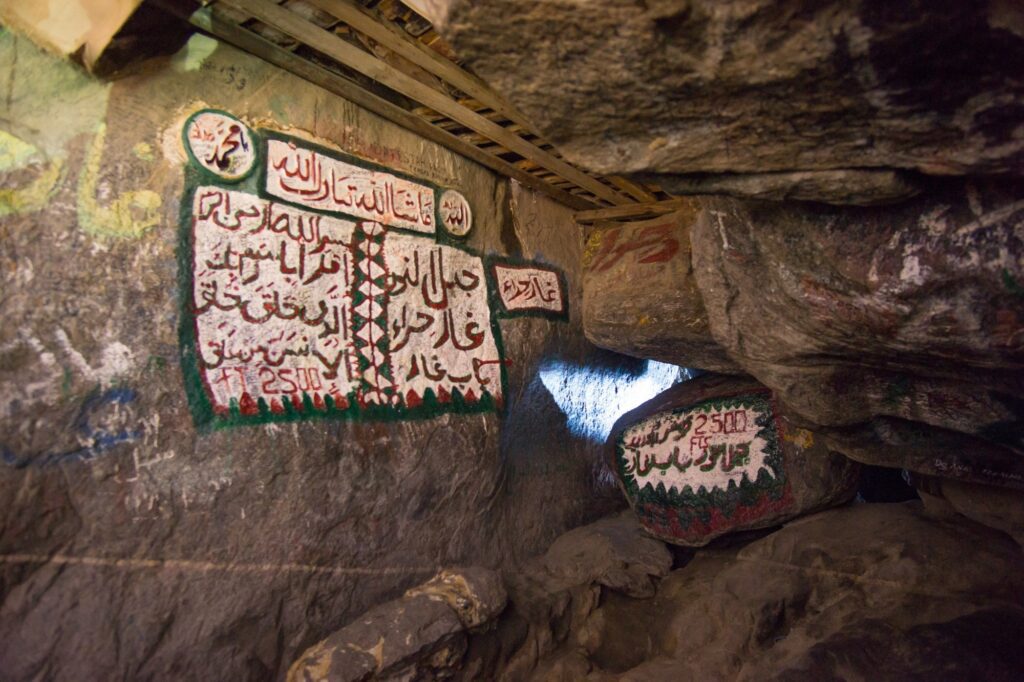
Standing at the entrance of the cave, I felt a deep connection to that pivotal moment in history – imagining the solitude, devotion, and anticipation the Prophet (Peace be upon him) must have felt. For travellers, it’s important to wear comfortable shoes and bring water, as the desert sun can be intense. Visiting early in the morning or late afternoon (or might be night time) avoids the heat and crowds.
Mount Arafat
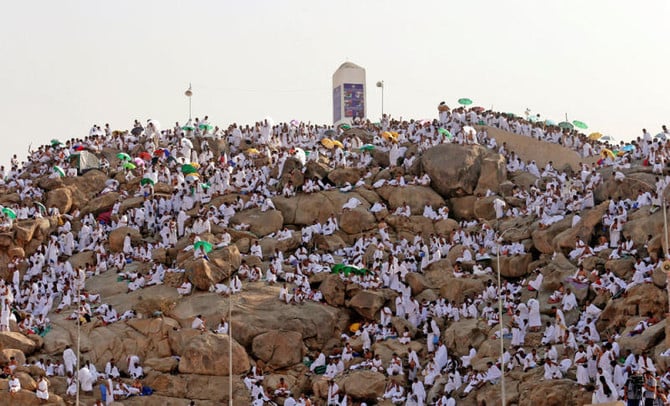
Another essential site is Mount Arafat, located about 20 kilometres southeast of the city. This is where the Prophet (Peace be upon him) delivered his Farewell Sermon, a foundational moment in Islam emphasizing unity, justice, and compassion. While millions gather here during Hajj, visiting outside the Hajj season provides a peaceful and reflective experience. The vast plain of Arafat stretches endlessly, evoking a sense of humility and awe. Even a short walk across the plain allows you to reflect and connect spiritually, understanding why Arafat is considered the climax of Hajj.
Mina
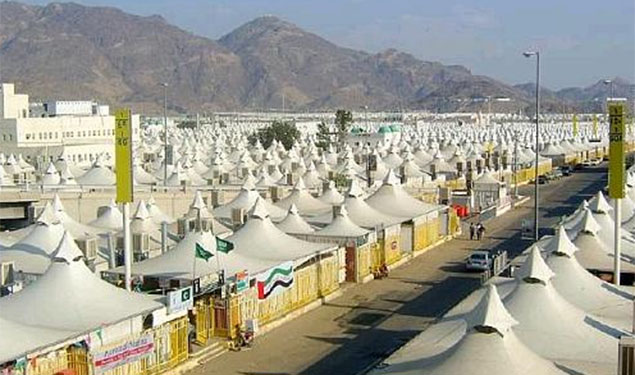
Then there is Mina, famously called the City of Tents. During Hajj, millions of pilgrims stay here in temporary accommodations to perform rituals like Ramy al-Jamarat (stoning of the pillars). Visiting Mina off-season, I was struck by the sheer scale of the site and the level of organization required to manage it. The rows of white tents stretch for kilometres, and while the area is quieter outside the pilgrimage season, you can still sense the immense planning, devotion, and unity that occurs here annually. Walking through Mina, I gained a new appreciation for the logistics of Hajj and the dedication of pilgrims worldwide.
Jabal Thawr
Other sites I explored include Jabal Thawr, the mountain where the Prophet (Peace be upon him) and Abu Bakr hid during the migration to Madinah. The climb is slightly less strenuous than Jabal al-Nour, and the historical significance makes the effort worthwhile.
Zamzam Water
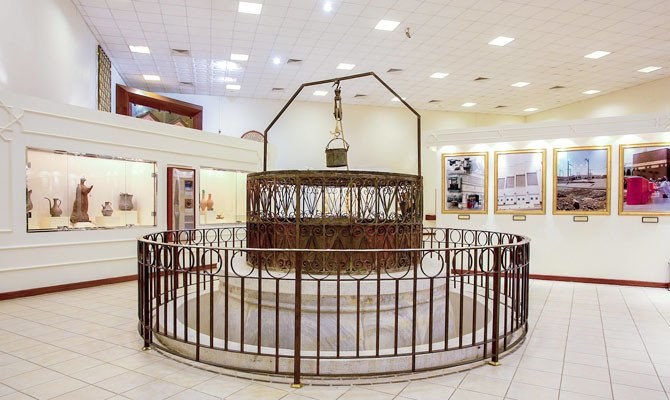
I also visited Zamzam Well, not just within the Haram, but learning about its history – how the water miraculously provided for Hagar and Ismail – is a story that adds depth to the spiritual experience.
Exploring other parts of Makkah
Makkah itself is a city of contrasts. Beyond its sacred sites, the urban landscape is modern and bustling. Skyscrapers like the Abraj Al Bait Towers dominate the skyline, offering luxury hotels and shopping centers just steps away from the Haram. The city is filled with restaurants, cafes, and traditional markets where you can taste local dishes like kabsa or enjoy freshly baked dates. I spent evenings strolling through shopping streets near the Haram, blending my spiritual journey with everyday life in a vibrant Saudi city.
https://wordpress2317.live-website.com/my-journey-of-umrah-a-travel-guide-to-madinah-2025